Does Taking CBD with Food Make It Work Better?
If you've ever popped a CBD gummy or dropped a tincture under your tongue, you might have wondered: Does taking CBD with food make it work better? As a former esports team manager turned health-and-science editor with nine years of experience translating supplement research into gamer-friendly language, I'm here to cut through the noise.
We'll dive deep into how CBD (cannabidiol) works differently depending on how you consume it, examine the science behind CBD absorption, and explain why the details matter—from batch lab reports to the World Anti-Doping Agency's stance. Along the way, we'll naturally mention big names like Joy Organics and important authorities such as the FDA. By the end, you'll know not just whether to take oral CBD with food, but exactly how to optimize your next dose.
CBD Basics and THC Distinctions
First, a quick primer. CBD is a cannabinoid found mostly in hemp plants. Unlike THC (tetrahydrocannabinol), it doesn’t get you high or cause intoxication. Legally speaking, hemp-derived products must contain less than 0.3% THC. This threshold keeps products like those from Joy Organics compliant with federal law and helps avoid the psychoactive effects that confuse many new users.
Why does this matter? Because some companies market “full spectrum” CBD products that include trace amounts of THC alongside other cannabinoids and terpenes. Others offer “broad spectrum” varieties, removing THC altogether but maintaining other active compounds. And then there’s the isolate form—the pure CBD molecule. Understanding these distinctions helps you know what to expect in terms of effects and potential drug tests (more on that later).
Hemp Legality and the 0.3% THC Threshold
The 2018 Farm Bill federally legalized hemp and its derivatives, including CBD extracts, as long as THC content stays below 0.3%. This limit is critical because:
- It prevents psychoactive effects linked to higher THC cannabis.
- It makes CBD products legal across all U.S. states in theory, though local laws vary.
- It guides testing standards that manufacturers and labs rigorously monitor.
Brands like Joy Organics always publish batch lab reports showing THC levels and purity, which is key because even tiny deviations could push a product out of legal territory or risk triggering a failed drug test for competitive athletes.
Does Taking CBD with Food Help Absorption?
Here’s the technical scoop: CBD’s bioavailability—the proportion that enters the bloodstream and becomes active—is notoriously low when taken orally, typically hovering around 6–19%. This means most of it gets metabolized by your liver before it can exert effects.
You know what's funny? but research shows that consuming cbd with a fatty meal dramatically increases absorption. This is because CBD is lipophilic (fat-loving), so fats help it dissolve and pass through your gut lining more efficiently.
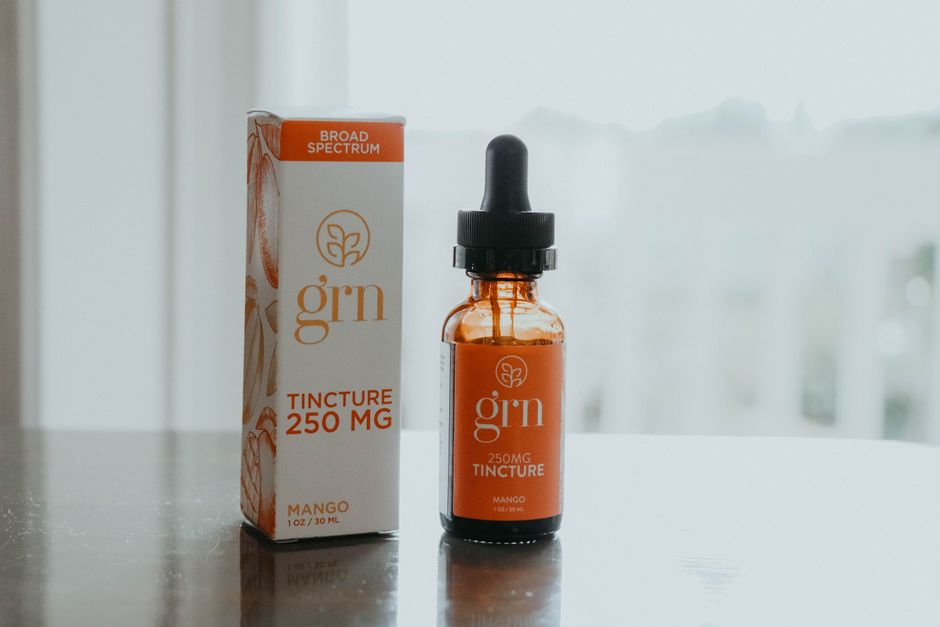
Key CBD Absorption Tips
- Take CBD with a fatty meal: Think avocado toast, nuts, eggs cooked in butter, or a smoothie with coconut oil. Studies report up to a 4-fold increase in blood CBD levels when taken with high-fat foods versus fasting states.
- Consider your formulation: Oils and tinctures often have better absorption profiles than gummies or capsules, but dose consistency matters.
- Be mindful of timing: CBD peaks in the blood around 1–4 hours after oral dosing depending on whether you took it with or without food.
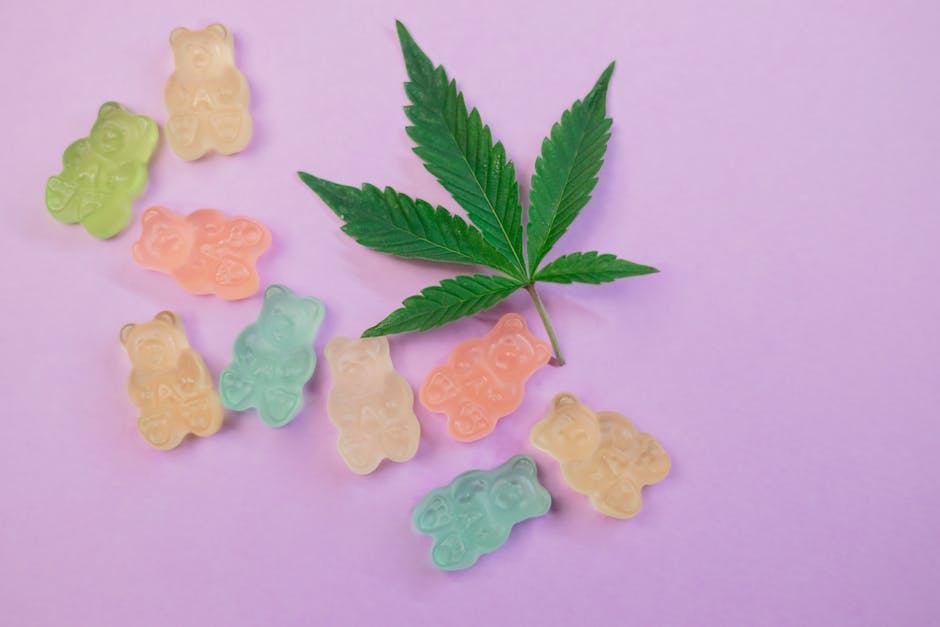
So if you’re taking an oral CBD gummy from a trusted brand like Joy Organics, enjoying it alongside a meal rich in healthy fats can help it work better.
Evidence Strength: Anxiety vs Sleep vs Performance
One of the big marketing claims you’ll see is how CBD helps anxiety, sleep, or athletic performance. Let’s separate hype from reality according to available research:
Condition Evidence Level Notes Anxiety Moderate Clinical trials show acute doses (around 300 mg) reduce public speaking fear. Chronic data limited but promising. Sleep Low to Moderate Some studies show improved sleep quality and reduced insomnia symptoms; effects vary greatly. Performance Low Very few rigorous trials; most claims anecdotal or based on indirect effects like reduced inflammation.Notice two things:
- Doses used in anxiety studies (usually 300 mg+) are much higher than what most gummies contain.
- Performance effects remain speculative and often run afoul of agencies like the World Anti-Doping Agency (WADA), which prohibits in-competition use of cannabinoids to avoid unfair advantages or masking effects.
Dosing Mismatch Between Studies and Gummies
Here’s a common pitfall: many CBD gummies or oils marketed for sleep or anxiety contain 10–25 mg CBD per serving, sometimes less. That's at least an order of magnitude below clinical doses demonstrated in research.
For example, a Joy Organics gummy delivering 25 mg CBD is perfect for steady maintenance or mild support but unlikely to mirror the 300+ mg single doses used in anxiety trials. That’s also why FDA guidance doesn't endorse CBD as a dietary supplement for treating medical conditions—there’s just not enough rigorously controlled, replicated data yet.
If you want to experiment with oral CBD with food, start low, measure effects, and adjust, but keep realistic expectations based on doses.
The Role of Testing: FDA and WADA Caveats
The FDA regulates CBD products as either dietary supplements or drugs depending on intended use. They’ve cracked down on false claims and unverified health promises. Always look for brands with transparent Certificates of Analysis (COAs) and avoided unsupported phrases like “miracle cure.”
Meanwhile, athletes should be extremely cautious because the World Anti-Doping Agency (WADA) bans cannabinoids in competition. Even trace amounts of THC above 0.3% or contaminants can cause failed tests. Brands like Joy Organics emphasize rigorous third-party testing to ensure compliance.
Final Thoughts: How to Maximize CBD Absorption
Wrapping it all up—if you want to get the most out of oral CBD, here are your actionable takeaways:
- Take CBD with a fatty meal: This boosts absorption and bioavailability by helping the compound dissolve and cross your gut lining faster.
- Choose trusted brands: Look for those who provide batch lab reports (like Joy Organics) confirming low THC and purity.
- Adjust dose and timing: Higher doses may be needed to replicate benefits shown in anxiety studies; be patient with sleep or performance effects as the evidence remains emerging.
- Mind regulatory guidelines: The FDA doesn’t currently approve CBD for medical claims, and WADA prohibits cannabinoids in competition.
Your best bet is to experiment responsibly. Take oral CBD with fatty meals to cbd and melatonin interaction optimize absorption, keep an eye on dosages, and choose reputable products whose labeling matches verified lab results. Whether you’re gaming late and want to wind down or are curious about recovery stacks, these tips plug you into the clear science behind the hype.
Remember: the web’s full of hand-wavy “science says” claims that skip important details like drug interactions or batch variability. So always check those batch lab reports yourself before trusting a label, especially with a compound as complex as CBD.