How Do I Know If a CBD Lab Report Is Real or Copied?
A certificate of analysis, or COA, is a lab report showing what was found in a particular sample of a CBD product. It can help you check the product’s cannabinoid content and, when included, look for contaminants. But a polished PDF or a QR code is not proof by itself. The key question is whether the report is genuine and matches the product in your hand.
That match matters because CBD products can vary from batch to batch. A report for an older run—or for a different product—does not establish what is in the bottle you bought. Here’s a practical way to check a COA, understand the common product types, and keep THC-related drug-test risks in view.
Start With the Batch Number Match
The batch number, sometimes called a lot number, identifies a specific production run. Find it on the product packaging, then compare it with the batch or lot number on the COA. The numbers should match exactly, including letters, dashes, and other characters. If the report does not identify a batch, or the package has no batch number, ask the company for clarification before relying on the document.
A matching number is necessary, but it is not conclusive. A copied report can include a batch number, too. Use several checks together:
- Check the product identity. The report should name the brand and the specific product or formula. A tincture report may not apply to a gummy, topical, or different strength.
- Check the sample details. Look for a sample or lot ID, sample description, and dates for testing or report issuance. The report should make sense for the item being sold.
- Check the cannabinoid results. Results should identify the cannabinoids tested and show amounts in useful units, such as milligrams per serving or percentage by weight. Compare them with the label’s claims.
- Check the lab’s identity. Note the laboratory’s name and contact information. Don’t assume that a company logo or a QR code proves the lab issued the report.
Verify the Report With the Laboratory
Third-party lab testing means an outside laboratory analyzes a sample rather than the brand simply testing its own product. It can add independent evidence, CBD for sleep best type but “third-party tested” is not a guarantee of quality. You still need to verify the report, its scope, and whether it corresponds to your batch.
- Go to the lab’s website yourself. Don’t rely only on a link or QR code supplied by the brand. Search for the lab’s official site and look for a report lookup tool or contact information.
- Search the report number. If the lab provides a way to check report IDs, enter the number from the PDF. The lab’s record should agree with the document’s product, sample, and dates.
- Contact the lab if needed. Use contact details from the lab’s own website. Ask whether it issued the report number and whether the report is associated with the listed product and batch.
- Compare the online copy with the PDF. Look for differences in dates, results, sample descriptions, or report numbers. A company-hosted PDF is useful, but a direct lab confirmation is stronger evidence.
Some labs do not offer public report searches. In that case, ask the brand for a verifiable report and ask the lab directly whether it issued it. If neither the brand nor the lab will confirm the document, treat the report as unverified.
What a Useful COA Should Show
A readable COA should make it possible to tell what was tested, who tested it, and what the results mean. Details vary by laboratory and product, but look for:
- The lab’s name, report number, and contact information.
- The product or sample description and a batch or sample identifier.
- Dates showing when the sample was received, tested, or reported.
- Methods or a reference to the testing methods used.
- Results with units, detection limits, and clear notation for results below those limits.
- Relevant testing panels, such as cannabinoids and, when offered, contaminants.
A detection limit is the smallest amount a particular test can reliably detect. “Not detected” does not necessarily mean “zero”; it can mean the compound was below that limit. A COA should make that distinction clear enough for a consumer to understand.
What to check What to look for Reason to pause Batch number match The package and COA show the same lot or batch ID The number is missing or differs Report verification The lab confirms the report or its record matches The lab cannot find the report number Product identity The report describes the same product and formula The COA is for a different format or strength Results and units Amounts, units, and detection limits are stated Only a vague “pass” appears, without useful resultsHow to Spot a Fake or Copied CBD COA
A fake COA may be fabricated. A copied COA may be a genuine report reused to market a different batch or product. Either way, the document can give a false impression of verification. Warning signs include:
- The batch number does not match the package, or the report has no batch identifier.
- The report is for a different product type, flavor, strength, or brand.
- The lab’s name, report number, or contact details cannot be verified independently.
- The QR code leads only to a brand sales page, not to a report or a lab verification page.
- Results are presented as a generic “pass” without test details, units, or limits.
- The report appears altered, has inconsistent dates, or contains blurry text where key identifiers should be.
- The brand claims a product is “THC-free,” but provides no batch-specific result that addresses THC.
None of these clues alone proves fraud. They are reasons to ask more questions. If a brand cannot provide a report tied to the product’s batch and the lab cannot confirm it, consider choosing another product.
Full-Spectrum, Broad-Spectrum, and Isolate: What the COA Can Tell You
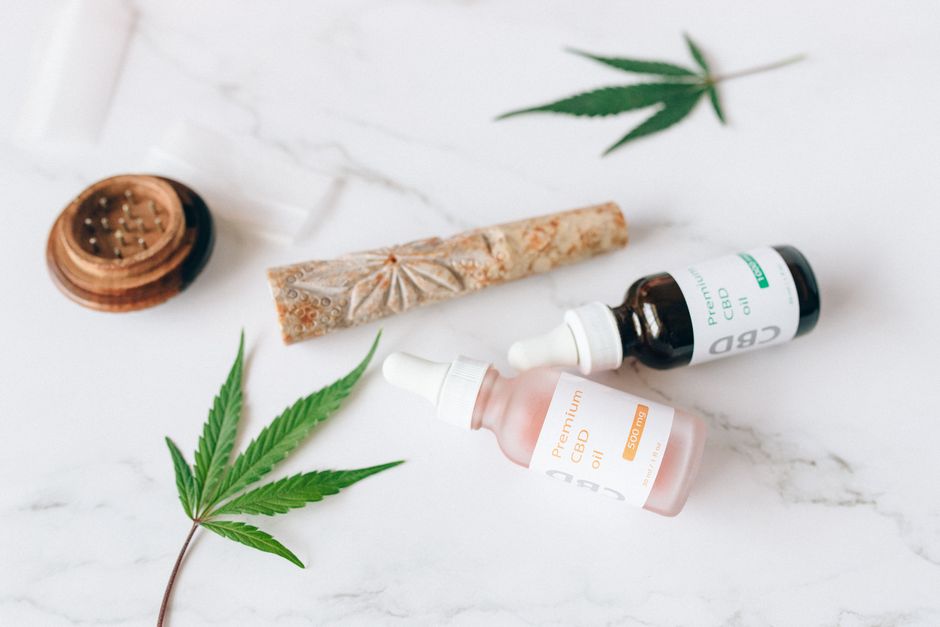
These terms describe the kinds of hemp compounds a product is intended to contain. Definitions can vary by brand, so check the ingredient list and the COA rather than relying on the label alone.
- Full-spectrum products are intended to contain CBD and other hemp compounds, including some THC. The amount and type of THC should be checked on the batch report.
- Broad-spectrum products are intended to retain CBD and other hemp compounds while removing THC. “Broad-spectrum” does not, by itself, prove that a batch contains no detectable THC.
- CBD isolate is a concentrated form of CBD with most other plant compounds removed. The finished product still needs testing; the word “isolate” does not confirm the contents of a particular bottle.
The “entourage effect” is the idea that cannabinoids and other hemp compounds may work together differently than CBD alone. It is often used in product marketing, but the phrase does not prove that a particular formula is more effective. It also does not replace batch-specific testing.
“THC-Free” and Drug Testing: Read the Fine Print
Drug tests commonly look for THC-related CBD isolate vs full-spectrum compounds, not CBD. A product marketed as THC-free may still pose a risk if it contains trace THC, if testing does not detect very small amounts, or if the product is mislabeled or contaminated. A COA can reduce uncertainty, but it cannot guarantee that using a product will not lead to a positive drug test.
Check the batch-specific COA for the THC results and the test’s detection limits. If you need to avoid THC because of workplace rules, athletics, legal obligations, or another reason, a broad-spectrum or isolate product may still carry some risk. Consider avoiding CBD products and ask a qualified healthcare professional or the organization administering the test for guidance. Don’t treat “THC-free” on a label as a promise about drug-test outcomes.
Why Testing and Refinement Matter
Hemp products typically go through several steps before they reach a shelf. The exact process varies, but may include extracting oil from plant material, refining or filtering it, blending ingredients into a finished product, and packaging it. Each step can affect what is in the final item. A COA for a raw ingredient is not automatically a COA for a finished gummy or tincture.
Ask whether the report covers the finished product or only an ingredient. Also check what the lab tested for. A cannabinoid panel tells you about cannabinoids; it does not necessarily address pesticides, heavy metals, solvents, microbes, or other contaminants. Testing panels differ, so look for the actual results rather than assuming every possible issue was checked.
A Note on the 2018 Farm Bill and CBD’s Mainstream Arrival
The 2018 Farm Bill helped bring hemp and hemp-derived products into wider commercial use in the United States. It defined hemp in federal law using a threshold of no more than 0.3% delta-9 THC on a dry-weight basis. That change helped fuel mainstream interest, but it did not make every CBD product legal in every circumstance or establish that every product is safe, accurately labeled, or approved for a particular use. State rules and federal requirements still matter.
That growth has put CBD products in pharmacies, grocery stores, and neighborhood shops. It has also made clear labeling and dependable testing more important. A product’s availability on a familiar shelf does not verify its COA.
What About Price?
Some scraped articles or product roundups leave out prices. If a listing does not state a price, don’t guess, infer it from another store, or treat an old price as current. Prices can change by retailer, location, size, and promotion. Check the seller’s current listing directly, and compare the amount of CBD per container as well as the price. Cost is not evidence that a COA is real or that a product is better tested.
A Simple Checklist Before You Buy
- Find the batch number on the package and confirm the batch number match on the COA.
- Make sure the report describes the same product, formula, and strength.
- Verify the report number with the lab using contact details found independently.
- Read the results, units, and detection limits—not just a “pass” label.
- Check which testing panels are included and whether they cover the finished product.
- If avoiding THC matters, review the batch results and remember that drug-test risk cannot be ruled out.
- If a key detail is missing, ask the brand. If the answer is vague, choose a product with verifiable documentation.
A genuine COA is useful evidence, not a blanket guarantee. The strongest check is a report that the laboratory can verify, tied to the exact batch and product you are considering, with results clear enough to interpret.