How Do I Know If It’s Sleep Apnea and Not Just Aging?
As we age, many of us notice changes in our sleep patterns. Maybe you’re waking up earlier, or your nights feel less restful than they used to. It’s easy to chalk this up to the natural aging process. After all, deep sleep does decline with age, and our circadian rhythm tends to shift earlier after age 50. But sometimes, what feels like "just aging" could actually be a sign of obstructive sleep apnea (OSA) — a condition that requires attention.
In this post, I’ll walk you through how to distinguish normal age-related changes from obstructive sleep apnea signs. Plus, I’ll share some bedside strategies—like how morning light exposure can help reset your internal clock for better sleep. (And yes, I always ask, “What time do you take it?” when people talk to me about sleep supplements, so I’ll include tips on that too.)
Understanding Sleep Changes with Age
The Shift in Sleep Architecture
One of the first things many folks notice as they get older is that they don’t sleep as deeply. That’s because the proportion of deep sleep—a stage crucial for physical and mental restoration—declines naturally over time. Instead, lighter sleep stages become dominant. Lighter sleep is easier to interrupt, which means you might find yourself waking up more often during the night.
- Deep sleep decreases steadily after 30, more noticeably after 50.
- Light sleep stages increase, raising the likelihood of awakenings.
The Circadian Rhythm Shift
Your internal clock, or circadian rhythm, tells your body when to sleep and when to wake. After 50, this clock tends to "advance," meaning you get sleepy earlier in the evening and wake earlier in the morning. This shift is one reason why many older adults become “morning people.”
Here’s a porch-coffee example: if you usually step outside around 7 a.m. for your sunshine, but now the sun rises a little earlier, spending time in that morning light can help recalibrate your internal clock and improve your sleep quality. Morning light is a powerful, free fix for circadian rhythm shift, aiding those lighter sleep stages to consolidate better.
What is Obstructive Sleep Apnea (OSA)?
Obstructive sleep apnea is a common, often underdiagnosed condition where your airway repeatedly narrows or collapses during sleep. This leads to breathing interruptions, fragmented sleep, and reduced oxygen levels. OSA is not just “loud snoring” — it has distinct signs and health consequences.
Key Obstructive Sleep Apnea Signs
- Loud snoring & gasping: Snoring that’s loud enough to disturb your sleeping partner and episodes of gasping or choking during sleep.
- Daytime sleepiness: A feeling of persistent tiredness during the day despite what seems like a full night’s sleep.
- Morning headaches or dry mouth: Waking up with headaches, sore throat, or dry mouth.
- Difficulty concentrating & mood changes: Forgetfulness, irritability, or depression.
- Observed pauses in breathing: Your bed partner notices you stop breathing for short intervals during the night.
Why Distinguishing OSA from Normal Aging Matters
Aging does cause changes in sleep, but OSA can have severe health risks, including high blood pressure, heart disease, daytime accidents, and worsening memory problems. Unlike normal age-related sleep shifts, OSA requires a diagnosis and intervention.
Comparison Table: Aging vs. Obstructive Sleep Apnea Sleep Changes
Feature Normal Aging Obstructive Sleep Apnea Sleep Interruptions More frequent from lighter sleep but without breathing disruption Repeated awakenings due to airway obstruction Snoring Occasional, quiet snoring may increase Loud snoring that disturbs others, often with gasping/choking sounds Daytime Sleepiness Usually mild or absent Marked daytime fatigue, even after “enough” sleep Morning Symptoms Wakes earlier & slightly less refreshed Morning headaches, dry mouth, unrested feeling Breathing Pauses None Frequently observed by bed partnerWhen to Seek Medical Evaluation
If you or your bed partner notice loud snoring with gasping or daytime sleepiness that’s affecting your daily life, it’s time to talk to your healthcare provider. They might refer you for a sleep study — the gold standard in diagnosing obstructive sleep apnea.
Keep in mind, age itself is a risk factor for OSA, but the presence of symptoms should prompt action rather than assuming it’s “just getting older.”
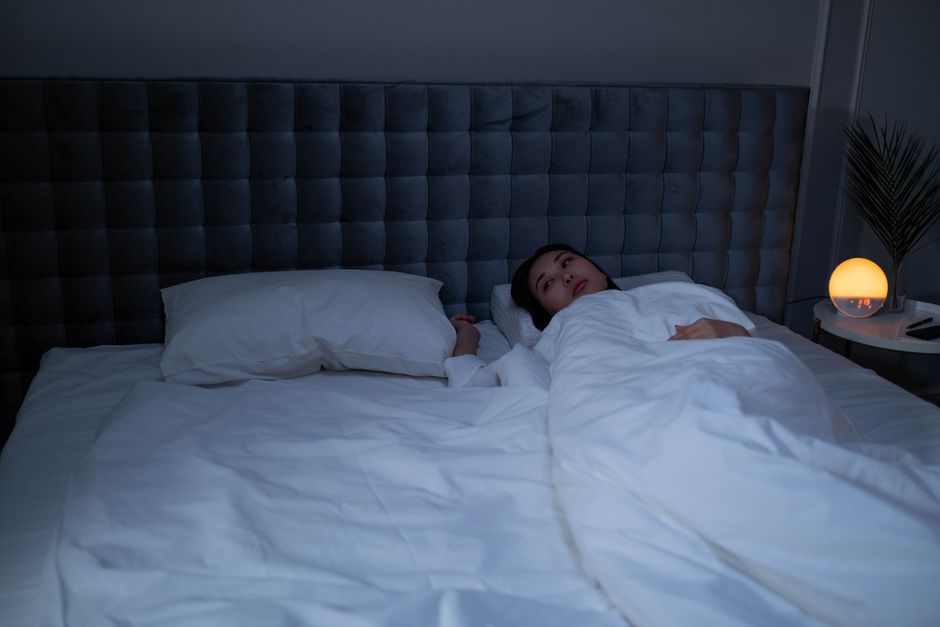
Boosting Sleep Quality with Simple Lifestyle Habits
Leverage Morning Light
Want a natural, no-cost way to shift your sleep schedule and improve deep sleep quality? Step outside with your morning coffee—use that porch time as your personal “circadian reset.” Morning light helps suppress melatonin naturally and reinforces your internal clock’s timing.
Be Smart About Medications and Supplements
Here’s my favorite question for customers and readers: "What time do you take it?" Timing matters for melatonin and other sleep aids. High-dose melatonin isn’t necessarily better and, if taken too late, may worsen daytime sleepiness or disrupt your natural rhythm.
- Use low-dose melatonin (0.3-1 mg) 30-60 minutes before bedtime.
- Avoid taking sedatives or “PM” medications nightly without discussing fall risk and next-day drowsiness.
Final Thoughts: Don’t Accept “I Guess I Just Need Less Sleep Now”
I hear it far too often — people shrugging off poor sleep as just a sign of aging. But there’s healthy aging, and then there’s sleep that’s sabotaged by issues like obstructive sleep apnea or circadian disruption. Deep sleep matters, no matter your age, and being proactive can protect your memory, mood, and heart.
Want to share this post with a friend who might be struggling with noisy nights or daytime fatigue? Use the handy social links below to spread the word and connect with others in our amazing Friends2Follow community!
Share This Post
- Share on Facebook
- Share on Twitter
- Share on WhatsApp
- Share via SMS
- Share by Email
Connect with Us
Follow and join the conversation!
Discover more sleep health tips herald-dispatch and community support via Friends2Follow.