How Do I Match the Batch Number on a CBD Lab Report to My Bottle?
If you're investing in quality CBD tinctures, verifying the authenticity and purity of your product is a must. Knowing how to match the batch number on a CBD lab report to your bottle helps you confirm that what you're using is exactly what the label claims — no guessing, no uncertainty.
Whether you've picked up a renowned Joy Organics tincture or any other brand, batch number verification is straightforward once you understand the process. Let’s break down how to navigate lab reports, spot key batch numbers, and use this info alongside smart kitchen practices to maximize your CBD experience. Along the way, we’ll also discuss how heat affects cannabinoids, carrier oils in your tincture, and simple kitchen tools like droppers with fill lines and amber glass bottles that matter more than you think.
Why Matching the Batch Number Matters for Your CBD
Cannabidiol (CBD) products have exploded in popularity, but regulation still lags behind demand. This means quality varies widely.
- Batch Number: A unique identifier printed on your bottle and corresponding lab report.
- Lab Report (Certificate of Analysis or COA): A third-party document that verifies cannabinoid levels, terpene profile, and absence of contaminants like heavy metals or solvents.
- Verification: Matching batch numbers ensures the COA you’re referencing is for the specific bottle in your hand, not a generic or outdated document.
Some companies, including Joy Organics, CBD oil in pesto dosing are industry leaders in transparency, providing easy-to-access lab reports with clear batch-specific information. Confirming batch numbers gives you peace of mind and an edge on quality control.
Locating Your Batch Number on the Bottle
Start by carefully examining your CBD tincture bottle. Most high-quality brands will print the batch number directly on the label, either near the bottom, on the back, or sometimes on the box packaging. On Joy Organics bottles, for example, the batch number is typically a numeric or alphanumeric code printed near the QR code or expiration date.
Here are some tips:
- Use good lighting: Slightly tilted sunlight or a desk lamp will reveal small print better than overhead fluorescents.
- Look for phrases: "Batch No.," "Lot," or simply "Batch" are common labels.
- Write it down: Keep your batch number handy either on your phone note or a kitchen notebook to cross-check with the lab report during your recipe testing.
Understanding and Accessing the Lab Report for CBD Tinctures
Once you’ve got the batch number, find the corresponding lab report. Most reputable companies publish Certificates of Analysis (COAs) on their websites for every batch by batch number.
Steps to verify your CBD COA:
- Visit your product’s brand website, like Joy Organics.
- Navigate to their COA or Lab Results page.
- Enter or select your batch number from a dropdown or search field — these are often organized by lot numbers.
- Download or view the PDF report.
- Check cannabinoid potency: Does the CBD percentage on the report align with the label?
- Look for contaminants tests (heavy metals, pesticides, residual solvents).
- Verify that the report date matches the batch production date for freshness.
You can also use QR codes that some brands print on their bottles to quickly open the lab report for your batch, a careful practice Joy Organics employs to build trust and transparency.
Tips on Reading Your Lab Report for CBD Tincture Correctly
When reviewing a CBD COA verification, consider the following key components:
Section What to Look For Why It Matters Cannabinoids Profile (CBD, THC levels) CBD% matches label claims (e.g., 500 mg per 30 ml bottle) Ensures potency and legal THC compliance Terpene Profile Presence of aroma compounds like limonene, myrcene Contributes to taste, aroma, entourage effect Contaminants (Heavy metals, pesticides) Non-detect or well below safe limits Safety and health assurance Microbial Testing Absence of bacteria, mold Prevents spoilage and illness risksRemember, chemistry is expected to cause some natural variation. Don’t panic if “oily separation” occurs in your tincture; that’s normal and not an indicator of inferior CBD.
Why Batch Number Matching is More Crucial Than Ever
The USDA National Organic Program has been increasingly involved in organic hemp certification standards, focusing heavily on transparency. With standardized batch number COAs, companies and regulators alike can trace hemp crops from field to bottle, minimizing fraud and substandard products.
Google Analytics data shows that educational content about batch number matching and COA verification consistently ranks high in consumer searches, showcasing increased buyer awareness and demand for authenticity. This consumer trend is reinforcing quality-focused industry behavior, which benefits everyone.
Proper Usage Tips for CBD Tinctures: Avoid Heat and Water-only Mixing
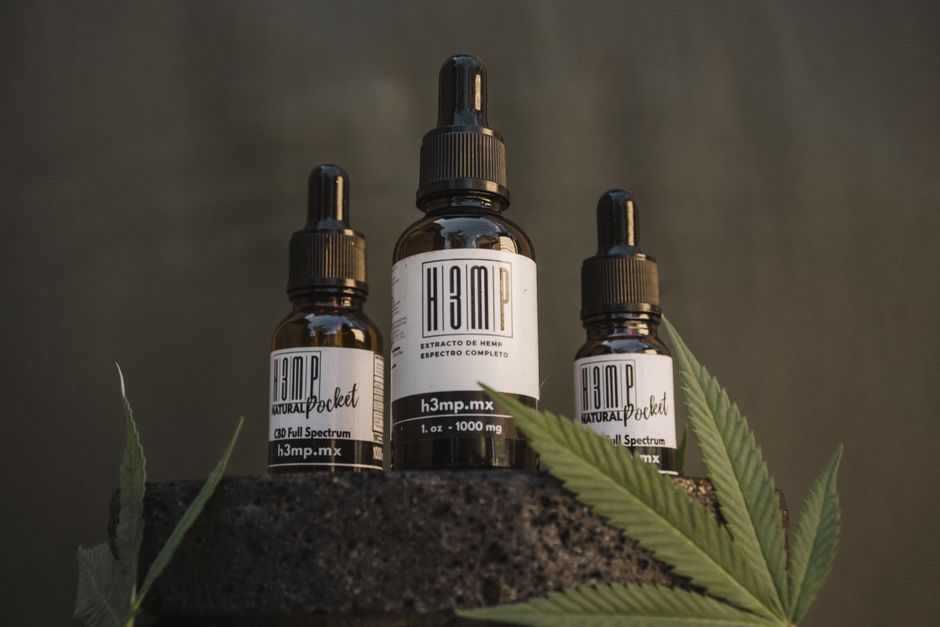
Your trusted amber glass bottle protects cannabinoids from UV light degradation—an often-overlooked factor in CBD spoilage. To preserve potency:
- Store bottles away from direct light and heat. Heat degrades cannabinoids and delicate aroma compounds, so always add your CBD tincture to recipes off the heat at the end of cooking.
- Use a dropper with fill line. Precise dosing prevents waste and ensures consistent effects. Avoid the vague "just add a dropper" advice—measure carefully every time.
Also, remember CBD is fat-soluble, not water-soluble. This has important recipe implications:
- Mix your tincture into fat-containing foods like yogurt, cream, nut butters, or smooth sauces for effective absorption.
- Avoid adding tincture directly into water-only drinks unless you add an emulsifier or fat source first. This reduces bioavailability and can cause the tincture to separate.
How to Get the Most Out of Your CBD Cooking and Recipes
Practical use of your lab-tested CBD tincture can make the difference between a mediocre experience and a standout one. Here are some quick best practices to incorporate CBD efficiently and economically:
- Match your batch number to a lab report before cooking or dosing.
- Use amber glass bottles to protect your tincture from light damage.
- Always use droppers with fill lines to measure exact doses and avoid guesswork.
- Add CBD tincture off heat. Never pour pricey CBD oils into boiling pots; heat breaks down cannabinoids and aromatics.
- Pair tinctures with fats. Incorporate into fats or oils for better absorption.
- Avoid water-only beverages unless you’ve added fat. This keeps your tincture from separating and losing potency.
Final Thoughts
Matching the batch number on a lab report to your CBD tincture bottle is an essential step towards smarter, safer consumption. Brands like Joy Organics set a strong example with transparent batch-specific COAs that let you trace every milligram of CBD you use.
Beyond verification, understanding how storage, heat, and recipe pairing affect your tincture can save you money and improve experience quality. Use simple tools like amber glass bottles and graduated droppers, keep your tincture out of high heat, add it at the end of cooking, and always look for fat-based carriers to maximize absorption.
Next time you pick up a CBD tincture, don’t just accept the label at face value—grab that batch number, pull up the lab report, and do the cbd coa verification math yourself. It's not just smart; it's essential in a still-emerging industry where trust and quality truly count.
Stay informed, cook smart, and enjoy your CBD experiences safely and effectively.