How to Hold a Pickleball Paddle Without Aggravating Tennis Elbow
If you’re anything like me, a morning pickleball session is the highlight of the week. But like many rec-league players sitting around the benches swapping stories, I’ve heard the groans and sighs from those battling tennis elbow. That stubborn elbow pain can sour the fun fast and keep you off the court longer than you want.
After nine years interviewing orthopaedists, physical therapists, and athletes, plus clocking in my own fair share of matches, I’ve learned that the culprit is rarely one dramatic shot. Instead, it’s the unrelenting overuse and frequency that drives injuries like tennis elbow. Add aging tendons, which adapt more slowly and tolerate sudden loads less well, and you’ve got a recipe for pain.
So, how do you hold your pickleball paddle to minimize aggravating tennis elbow? Through this post, I’ll guide you through the key adjustments, tips, and mindset shifts that can help. And yes — I’ll explain why sharing the load with your legs and adopting a lighter grip are game-changers. Plus, feel free to stick around the benches a bit longer next time, hear real injury stories, and don’t forget to count your warm-up minutes out loud!
Understanding Tennis Elbow and Its Causes on the Pickleball Court
Tennis elbow, or lateral epicondylitis, is an overuse injury where the tendons attaching forearm muscles to the outside of the elbow become irritated and inflamed. While the name hints at tennis, pickleball players are no strangers to it — especially if they grip too tightly or use arm-dominant strokes.
Why Overuse and Frequency Matter More Than One Dramatic Moment
Many players tell me, “I don’t remember one hard shot that caused the pain.” That’s because, more often than not, tennis elbow sneaks in through repetitive movements and constant strain rather than a sudden injury.
- Repeated microtrauma: Every shot you hit with a death grip slightly strains your elbow tendons over and over.
- Inadequate recovery: Playing daily or several times a week without proper rest means your tendons never fully recover.
- Cumulative effect: Over weeks and months, the slow build-up of stress manifests as pain and decreased performance.
This is why I always ask players, “What changed in the last two weeks?” If you suddenly doubled your playtime or skipped your warm-ups — that’s often when symptoms start to flare.
Aging Tendons Catch on More Slowly but Pay the Price
Besides overuse, aging tendons play a huge role. Older tendons are less resilient and slower to adapt, making them more vulnerable to sudden loads or changes in mechanics.
- Reduced elasticity: Tendons thicken and stiffen with age, reducing their ability to absorb shocks.
- Slower healing: Any micro-injuries take longer to repair, increasing risk of chronic pain.
- Higher sensitivity: A sudden increase in play frequency or intensity can easily overload an older tendon.
Take it from me — a lighter paddle and sharing the load with the legs is especially essential as the years go by.
How Your Grip and Mechanics Influence Elbow Health
Let’s cut to the chase: your grip can make or break your elbow health.
The Problem with a “Death Grip” and Arm-Dominant Strokes
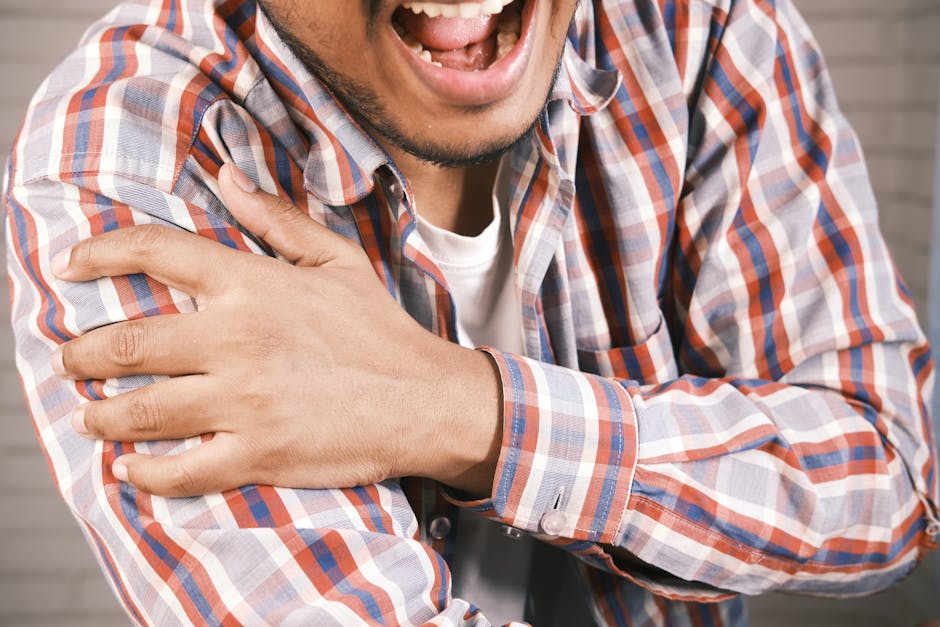
Count how many players you see clutching their paddles like life depends on it. That death grip causes the forearm muscles—and therefore the elbow tendons—to contract excessively, increasing strain.
- Tight grip: Forces muscles and tendons to overwork, leading to inflammation.
- Arm-dominant swings: Using your forearm to generate power rather than your whole body increases elbow stress.
- Lack of leg engagement: Limits power source and shifts too much responsibility to your arm.
Remember, I always keep a light resistance band in my paddle bag as a reminder to keep that grip lighter and share power through the legs.
Adopting a Lighter Grip Cue for Elbow Relief
The goal: avoid how to prevent shoulder impingement death grip and embrace a lighter touch. Here’s how:
- Relax your hand: Imagine holding a bird gently in your palm — enough to keep it from flying away, but not so tight as to harm it.
- Adjust your paddle grip size: A handle that fits your hand reduces the need to squeeze tightly. Many players underestimate the importance of this nuance.
- Focus on wrist and arm alignment: Keep your wrist firm but not rigid, allowing natural movement without excess tension.
Practice swinging with a lighter grip during warm-ups and you’ll start to notice less tension creeping into your elbow and forearm.
Share the Load: Engage Your Legs and Core
One of the biggest mistakes I see on courts is players relying solely on their arm strength to generate shots. Success—and injury prevention—hinges on distributing energy throughout your whole body.
Why Sharing Load With Legs Makes a Difference
- Power generation: Your legs and hips are much stronger and more fatigue-resistant than your arms.
- Shock absorption: Bending your knees and pivoting through the swing helps absorb impact forces that would otherwise transfer to your elbow.
- Fatigue reduction: Engaging your lower body reduces overload on your forearm muscles through better biomechanics.
Incorporate these cues into your game:
- Before each shot, count out loud your footwork warm-up minutes at least 8 minutes before play.
- Bend slightly through your knees when preparing to strike.
- Use your hips and core to rotate and drive the paddle, rather than flicking your wrist or arm alone.
This synergy not only protects your elbow but also improves shot consistency and power.
Sometimes It's More Than Just Your Elbow
While tennis elbow is often the star of the injury show, rotator cuff issues can complicate things and cause referred pain.
Recognizing Rotator Cuff Irritation
- Night pain: Soreness that wakes you up or keeps you from sleeping.
- Limited behind-the-back reach: Trouble reaching into your back pocket or zipping your jacket.
- Shoulder weakness or clicking: Reduced function can affect your swing mechanics, indirectly stressing your elbow.
If you notice these signs, seek out a physical therapist or orthopaedist rather than doubling down on your usual play pattern.
Managing Pain and Recovery: From Paddle Grip to Organic CBD Gummies
Want to know something interesting? managing the ache post-match is all about smart recovery and addressing inflammation safely.
- Rest and ice: Limit play if your elbow flares, and apply ice for 15 minutes several times a day.
- Stretch and strengthen: Gentle forearm stretches and progressive strengthening exercises help rebuild resilience.
- Consider supplements: I’ve heard great feedback about Joy Organics organic CBD gummies for managing inflammation naturally, without the fog or drowsiness of some medications.
Personal note: many in the pickleball community swear by CBD products like those from Joy Organics to help ease soreness and get back on the court faster. Always confirm with your healthcare provider first.
Final Tips for Holding Your Paddle and Protecting Your Elbow
Tip Why It Matters How to Apply Use a lighter grip Reduces tendon strain and muscle tension Relax your hand, choose right grip size, practice during warm-ups Share the load with legs Distributes power, minimizes arm overuse Engage legs and core, bend knees, rotate hips Count warm-up minutes out loud Ensures proper preparation, reduces injury risk Commit to at least 8 minutes before play Use appropriate paddle grip size Prevents excessive squeezing Test handle sizes and choose one fitting your hand Monitor pain and rest Prevents worsening injuries Stop playing if pain worsens, ice, and consider therapyPhoto Credit
Visual learners, check out this excellent action shot courtesy of Brendan Sapp / Unsplash — the perfect reminder that good technique and attentive load-sharing keep us enjoying the game for years to come.
Photo: Brendan Sapp / Unsplash
Parting Thoughts
Next time you step onto the pickleball court, remember that the way you hold your paddle could be the difference between a winning shot and weeks of discomfort. Overuse and frequency are the invisible enemies of elbow health, especially as our tendons age. Avoid the sting of a death grip, share the load with your legs, and take care to warm up properly.
And if the elbow nags anyway, consider gentle recovery supported by natural helpers like Joy Organics organic CBD gummies, which many players I’ve talked with find helpful. Above all, listen to your body, show it some kindness, and keep having fun out there — pain-free and strong.
```