How to Keep the Sensory Part of Drinking Without the Alcohol
Sometimes it is not the alcohol you miss most at the end of the day. It is the clink of ice, the weight of a glass, the sharpness of a bitter flavour, or the small pause between finishing work and starting the evening. A replacement that ignores those details can feel like a poor imitation—and leave the old habit doing its job anyway.
The aim is not to find a drink that tastes exactly like your usual one. It is to work out what you value about the experience and build an intentional alternative around it. That might mean a non-alcoholic drink in a glass, a repeatable pour, a satisfying taste, or a clear signal that the working day has ended.
This is sensory ritual replacement: keeping the useful cues and pleasures of a drinking routine while changing the alcohol part. It is a practical approach, not a test of willpower. You get to keep what works, adjust what does not, and run a small experiment to see what suits you.
Start with the question: what job is this habit doing?
Before buying alcohol-free alternatives or stocking up on ingredients, notice what usually happens around your evening drink. When do you reach for it? What is happening in your body or your day? What changes afterwards?
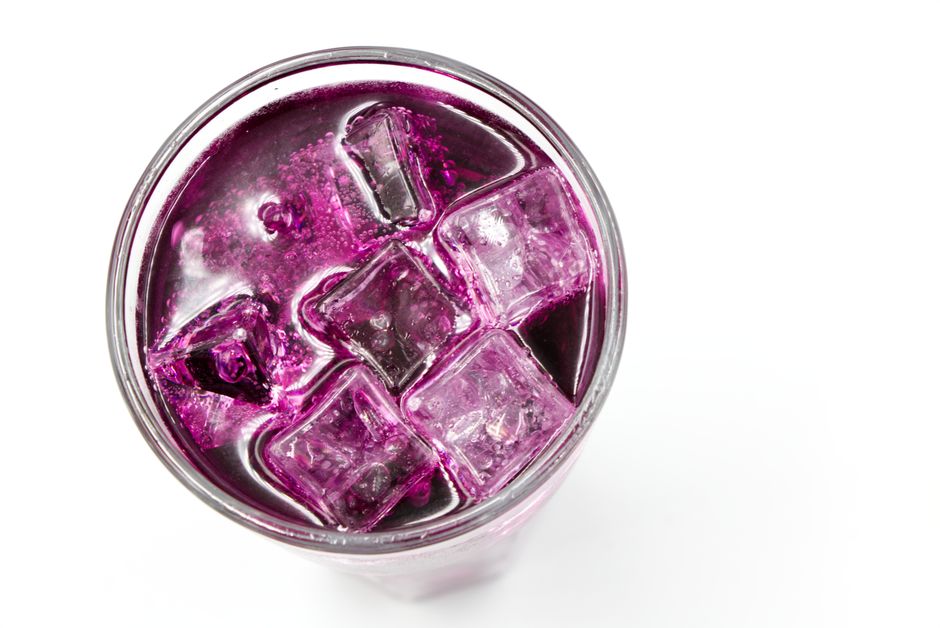
Evening drinking can do several jobs. More than one may apply to you, and the same drink can serve different purposes on different nights. Naming the job makes it easier to choose an alternative that fits, rather than reaching for a substitute that misses the point.
Job the drink may be doing What it can feel like A sensory or routine element to preserve Marking the end of work “I’m still mentally at my desk.” A closing action, a change of room, or a deliberate first pour Helping you shift gears “I need a transition before I can be present.” A pause, a different pace, a change in temperature or flavour Offering pleasure or stimulation “I want something interesting and satisfying.” Bitterness, fizz, spice, aroma, garnish or a favourite glass Creating comfort or connection “This is how I settle in or share the evening.” A familiar setting, a shared toast, or time without a screenThese are not diagnoses, and there is no need to judge the habit. They are prompts for observation. If your drink is mostly a reward after a demanding day, a plain glass of water may not feel rewarding. If it is a marker that work is done, a complex mocktail may still leave you checking email. Match the replacement to the job.
Ritual replacement versus drink replacement
Drink replacement asks, “What can I drink instead?” Ritual replacement asks, “What experience am I trying to keep?” That second question includes the drink, but it also includes the glass, the pour, the setting, the timing and the feeling of choosing to stop.
For instance, if you enjoy the aromatic, bitter edge of a drink, look for a non-alcoholic option with a flavour profile you genuinely like. If the pleasure is in making something, prepare a simple mix with citrus, soda and herbs. If you want a cosy, slower cue, a warming drink in a mug may suit better than a sparkling one. There is no prize for recreating an alcoholic drink as closely as possible.
Try to keep the sensory details you care about specific. “Make it feel like a treat” is hard to act on. “Use the stemmed glass, add ice and a twist of orange, then sit by the window for ten minutes” is a routine you can test.
Build the experience from its parts
- The vessel: Use a glass or cup you like holding. Shape, weight and temperature can make a familiar pause feel deliberate.
- The pour: Pouring something into a glass is a clear action. It can help distinguish an intentional evening drink from absent-minded sipping straight from a bottle.
- The taste: Decide what you want—crisp, tart, bitter, savoury, spicy, sweet or alcohol-free fizz—then choose accordingly.
- The aroma: Citrus peel, mint, rosemary or a fragrant tea can add a sensory cue without requiring an elaborate recipe.
- The setting: Take the drink away from your desk. A different chair, light or room helps show that the context has changed.
A non-alcoholic drink in a glass can be satisfying in its own right; it does not have to pretend to be a cocktail. It could be sparkling water with bitters-style botanical flavours, a chilled tea, a non-alcoholic beer, or juice diluted with soda. Check product labels for ingredients and alcohol content if that matters to you. “Alcohol-free” and “non-alcoholic” can be used differently across products and markets, so read the specific label rather than relying on the front of the pack.
Make the workday-to-evening transition visible
Remote and hybrid work can blur the edges of the day. The laptop is a few steps away, messages keep arriving, and the kitchen may be both office break room and evening destination. Without a commute, the body may not get an obvious signal that work has finished.
In that situation, an evening drink may be doing more than providing flavour. It may be the transition ritual that a journey home used to supply. A useful replacement needs a clear first step that interrupts work mode—not simply a new beverage beside the keyboard.
A short transition routine to try
- Close the work loop: Write down the first task for tomorrow, close work tabs and switch off notifications that are not needed.
- Change one physical cue: Shut the laptop, move it out of sight or leave the room. If you can, change your clothes or take a brief walk.
- Make the first pour intentionally: Choose your glass, add your drink and notice its temperature, aroma and taste.
- Give the pause somewhere to go: Sit down, play music, call someone or take ten screen-free minutes. The pause is part of the ritual.
Keep the first step small enough to do on a tired Tuesday. “Redesign my entire evening” is not a first step. “Close the laptop and put it in the cupboard” is. You can add the other parts later if they help.
Notice your evening habit cues
Evening habit cues are the moments, places or feelings that prompt a familiar action. They might include logging off, cooking dinner, seeing a particular bottle, feeling restless at 6 pm or sitting in your usual chair. Cues are useful information, not proof that you lack discipline.
For a few days, note what happens just before you want a drink. Keep it simple: time, place, what you were doing, what you wanted from the drink, and what you chose. You are looking for patterns, not trying to produce a perfect diary.
Notice Example Possible experiment Time or work cue Wanting a drink as soon as the final call ends Try a two-minute shutdown routine before going to the kitchen Place cue Pouring automatically while cooking Set out a chosen glass and alcohol-free option before starting dinner Sensory cue Missing fizz, bitterness or the sound of ice Choose one of those qualities to include in a new drink Emotional or social cue Wanting a shared toast or a way to decompress Keep the toast, or add a brief check-in with someone you trustPick one experiment for a week. For example: “After I log off, I’ll make a citrus-and-soda drink in my favourite glass and take it to the living room.” At the end of the week, ask: Did I enjoy it? Did it do the job I wanted? What would I change? That is more useful than declaring the whole idea a success or failure after one evening.
Keep choices simple and grounded
There are plenty of products marketed for relaxation or sleep. Marketing claims are not a substitute for good evidence or advice tailored to your circumstances. You do not need a supplement to create a sensory ritual, and a product cannot guarantee a particular result.
If you are considering CBD, check the product details and speak with a pharmacist, especially if you take medicines, have a health condition, are pregnant or breastfeeding, or are unsure whether it is suitable for you. A pharmacist can help you think through ingredients and possible interactions; they cannot make every product risk-free. Look for accessible, batch-specific testing information, such as QR code lab results, and read what the results actually cover. A QR code is a way to access information, not a guarantee of quality or benefit.
For example, Joy Organics offers CBD products, including CBD Sleep Gummies (Joy Organics). If you are considering them, check the current label, ingredients, CBD content and testing information, and seek pharmacist advice where appropriate. Avoid treating a product name or customer testimonial as proof that it will improve sleep. For many people, the simplest sensory routine is a drink they enjoy, a clear end-of-work cue and a steady bedtime routine.
If you want support with changing an evening pattern, coaching can help you explore what the habit is doing and design a realistic experiment. The Coach Space directory offers “Find a coach - free consultation”, which can be a way to talk through whether a coach is a good fit before committing. Coaching is not medical thecoachspace care, but practical support can help turn a vague intention into a plan with clear first steps.
A one-week sensory ritual experiment
Use this template to make the idea concrete. Keep it on paper or in your phone, and change only one or two things at a time.
- The cue I’ve noticed: For example, closing my laptop or starting to cook dinner.
- The job I want the ritual to do: Mark the end of work, add pleasure, create a pause or help me feel connected.
- The sensory part I want to keep: The glass, the fizz, a bitter flavour, a garnish, a pour or a shared moment.
- My first step: One action I can take without extra planning.
- How I’ll review it: A quick note after a week on what I enjoyed and what I want to adjust.
For instance: “When I finish my last meeting, I’ll close the laptop, make a cold mint-and-lime soda in my favourite glass and sit outside for five minutes. I want a clear transition and something fresh to taste. On Sunday, I’ll note whether it felt like a satisfying end to the day.” That is specific, testable and flexible.
Keep the pleasure; change the pattern
You do not have to discard every detail of an evening drink in order to change your relationship with alcohol. The sound of ice, the aroma of citrus, a glass you love, and the feeling of choosing a pause can all stay. The question is which parts genuinely matter to you—and what job you need the ritual to do.

Start with one cue and one clear first step. Make a drink you actually want to taste, take it away from your work setup, and give the transition a moment of its own. Then review the experiment without blame. A sensory ritual replacement is not about getting the evening “right”; it is about building an evening routine that feels satisfying and works for your life.