Pickleball Injury Prevention for People Who Refuse to Stop Playing
I hear it all the time out on the courts during my morning pickleball rounds: "Doc, I can’t stop playing." And who could blame them? Pickleball is fun, social, and a great way to stay active. But for those determined players who refuse to take long breaks, understanding injury prevention becomes crucial. Whether you’re 35 or 65+, the way you play – and more importantly, how frequently you play – makes all the difference in avoiding painful setbacks.

After 9 years talking to orthopedists, physical therapists, and recreational players just like you, my observations boil down to a few key truths. This post touches on common injury culprits for pickleball lovers who won’t hang up their paddles anytime soon – with expert insight and practical tips incorporating the two hard days rule, low gear social days, and why taking one day off can save weeks of downtime.
Overuse and Frequency Drive Injuries More Than Single Dramatic Moments
When asked about their injuries, many players describe no single “bad shot” or fall. Instead, pain sneaks up slowly after multiple days of intense play, often without sufficient recovery. This is why the mantra I always repeat on the courts (counting warm-up minutes out loud, of course) is: "What changed in the last two weeks?"
Repetitive strain stresses muscles, tendons, and joints in subtle ways before you even realize something is wrong. Tendons, particularly, hate abrupt spikes in activity. When you push through without adequate rest, inflammation and microtears accumulate. This is the true treasure trove of pickleball injuries.
The Two Hard Days Rule
My go-to advice for every player who refuses to stop playing hard, hard, hard is to limit your high-intensity pickleball to two hard days per week. That means days filled with competitive drills, fast-paced matches, and intense paddle swings.
- Abilities and recovery vary — so keep track of how you feel during and after those days.
- Longer rallies, unexpected dives or lunges, plus rapid pivoting drive wear and tear.
- Without appropriate rest, you will find yourself sidelined sooner rather than later.
On non-hard days, I encourage low gear social days. This means playing, but dialing it back to fun, relaxed matches that encourage movement without maximum effort. Think chatting, strategic positioning, and light paddle swings — these days act as active recovery and keep you moving without overstressing the system.
Aging Tendons Adapt Slower and Tolerate Sudden Loads Less Well
Aging athletes beware: your tendons don’t adapt like they used to. A 25-year-old's tendon might bounce back quickly from a long match, but as we age, collagen production slows down, elasticity decreases, and healing takes longer.
What looks like a casual “one extra game” for younger players can easily become a prolonged flare-up for seasoned pickleballers. Sudden increases in playtime or intensity are especially risky. Instead, gradual ramp-ups and smart rest days help protect tendons from lasting damage.
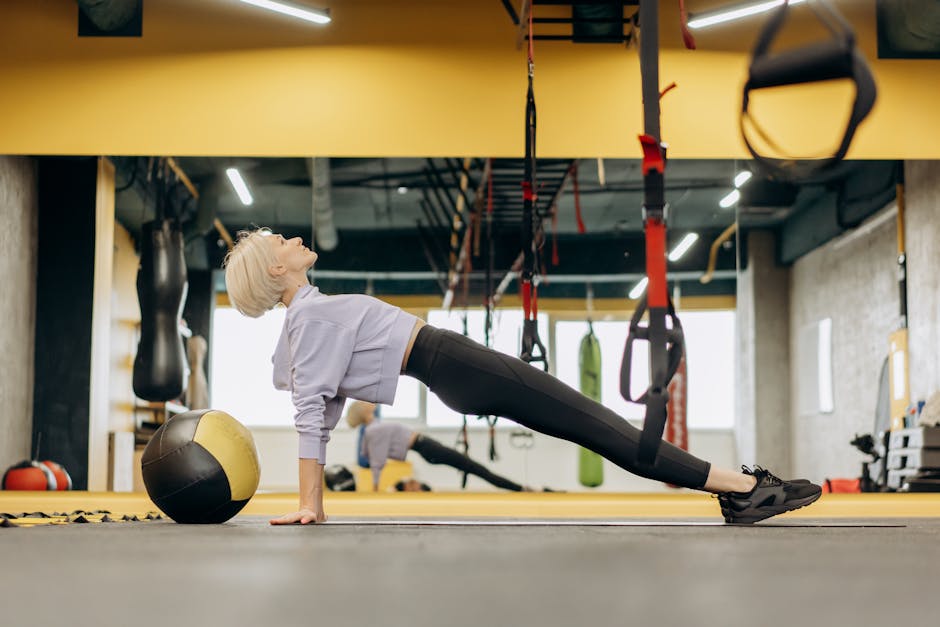
Here’s the real kicker: if your last two weeks have featured a steep increase in play frequency or intensity, that’s your warning sign. Adjust accordingly or risk persistent tendon irritation.
Take One Day Off (Completely)
This is where many players slip up. “I can’t afford a full day off” is a common refrain I’ve heard. But taking one day off per week gives your sarasotamagazine.com musculoskeletal system a critical reset. This means no pickleball, no gym, and consciously minimal physical stress.
Think of it this way: rest days allow microdamage to heal and inflammation to recede, keeping your tendons resilient. It’s also a chance for your mind to refresh before hitting the courts again.
Rotator Cuff Irritation: Night Pain and Behind-the-Back Reach Limits
Shoulder pain is a top complaint, especially rotator cuff issues. If you wake up with shoulder pain, find it tough to scratch your back, or notice discomfort creeping in overnight, it could be rotator cuff irritation.
This condition develops insidiously from repetitive overhead movements and quick paddle swings without enough warm-up or rest. If left unchecked, rotator cuff tendinitis can hinder your serve, blocking, and overhead shots.
Assessment and Prevention Tips
- Warm-up: I always count out loud: at least 8 minutes of dynamic shoulder mobility drills before play.
- Paddle grip and technique: Sometimes adjusting your paddle angle and reducing swing force saves your rotator cuff.
- Stretching: Gentle behind-the-back shoulder stretches help maintain reach and reduce stiffness.
- Recovery: Consider natural joint support like Joy Organics organic CBD gummies to soothe discomfort and promote restful recovery after play.
Elbow Pain Often Comes From Tight Grip and Arm-Dominant Mechanics
If you’ve keyed in on elbow pain—be it tennis elbow, golfer’s elbow, or general forearm soreness—look no further than your grip and arm mechanics. I always peek into the paddle bags and see arm-dominant swings with a death grip on the paddle. It’s a recipe for overloading the forearm tendons.
How to Adjust Your Game
- Loosen your grip: You don’t need to squeeze the paddle like you’re holding a vice. Relax your fingers, especially on backhand shots.
- Engage your shoulder and core: Let your larger muscle groups share the load instead of the elbow tendons handling everything.
- Use resistance bands: I keep a light resistance band in my paddle bag for quick forearm and wrist warm-up exercises before matches.
- Pause and assess: After every two hard days, ask, What changed in the last two weeks? and adjust accordingly.
Putting It All Together: Your Weekly Pickleball Playbook
If you’re signed up for pickleball for life and aren’t willing to stop, then controlling injury risk is your daily responsibility. Here’s a simple weekly structure based on what orthopedists and PTs recommend:
Day Play Intensity Focus Monday Hard Competitive drills and fast matches Tuesday Low Gear Social matches, less intense play Wednesday Day Off Rest and recovery (no pickleball) Thursday Hard Intense play, focusing on shot accuracy Friday Low Gear Casual play with friends Saturday Optional Gentle stretching, light technique work Sunday Optional Active recovery or restNatural Recovery Partners: Joy Organics CBD Gummies
In the world of injury prevention and recovery, natural remedies are gaining traction. Among them, Joy Organics offers top-tier organic CBD products designed for active people. Their organic CBD gummies are a discreet, tasty way to support joint comfort and help with quality sleep—two non-negotiables for players who want to show up strong day after day.
Many players I’ve interviewed swear by incorporating Joy Organics products into their nightly routines after long court days, citing reduced stiffness and improved rest without the grogginess of traditional meds.
In Closing: Play Smart, Stay on the Court Longer
Whether you're 28 or 68, injury prevention for pickleball isn’t about avoiding the game. It’s about respecting frequency, understanding how your body responds (especially aging tendons), and following the two hard days rule combined with low gear social days and the golden wisdom of one day off.
Take care of your rotator cuff by noting creeping night pain and behind-the-back reach limits. Reduce elbow pain by loosening your grip and engaging whole-arm mechanics. Use both time-tested physical strategies and natural aids like Joy Organics organic CBD gummies to keep you feeling your best.
And if you’re ever in doubt, remember the simple question I ask on the benches after warm-up: “What changed in the last two weeks?” That’s your clue to what your body needs next. Play smart, play often, and keep the paddle moving—just don’t forget those first 8 minutes of warm-up!
 Photo credit: Brendan Sapp / Unsplash