What Does 2 Units Per Gram of Dust Mean for Cockroach Allergy Risk?
Living along Florida’s northeast coast means dealing with our fair share of humidity, outdoor pressure, and yes — cockroaches. For many residents between St. Augustine and Palm Coast, cockroach allergens pose a real health risk, especially for those with asthma or allergy sensitivities. But what exactly https://goodmenproject.com/everyday-life-2/florida-homes-have-a-year-round-asthma-trigger-the-rest-of-the-country-only-gets-in-summer/ does it mean when pest control pros or allergists talk about “2 units per gram” of cockroach allergen dust? And how can tools like HEPA filter vacuuming and wet-wiping help reduce that risk?
Understanding Cockroach Allergen Proteins: Bla g and Per a
Cockroaches are not just an unwanted nuisance crawling around kitchens and bathrooms; they’re a significant source of indoor allergens. Two primary proteins are responsible for triggering allergic reactions in sensitive individuals:
- Bla g: This is the allergen protein primarily found in German cockroaches ( Blattella germanica), which are notorious for infesting indoor environments.
- Per a: These proteins come from the American cockroach ( Periplaneta americana), commonly referred to as “palmetto bugs” in Florida.
These allergen proteins come from cockroach feces, saliva, and decomposing body parts. When these particles become part of house dust, they pose a sensitization risk and can exacerbate asthma in both children and adults.
The 2 Units Per Gram Threshold: What Is It and Why Does It Matter?
Scientists have measured cockroach allergens within house dust using immunoassays and defined certain threshold levels to estimate the risk of sensitization and asthma exacerbation. “2 units per gram” is one such widely referenced threshold for cockroach allergen concentration in dust. Here’s what it means:
Dust Allergen Level (Units/gram) Health Risk Below 2 units/gram Lower risk of sensitization and asthma triggers At or above 2 units/gram Elevated risk of cockroach allergen sensitization and asthma exacerbationHitting or exceeding 2 units per gram means that there is a persistent and significant cockroach allergen load present in the home environment that can sensitize occupants, particularly children, or worsen asthma symptoms in sensitized individuals.
Hidden Infestations and Persistent Allergen Dust
One big challenge in lowering cockroach allergen levels in Florida homes is dealing with hidden infestations. Cockroaches can live in wall voids, under appliances, behind baseboards, and inside cabinets. These hidden populations consistently shed allergen proteins into dust, creating a persistent reservoir that standard cleaning methods often miss.
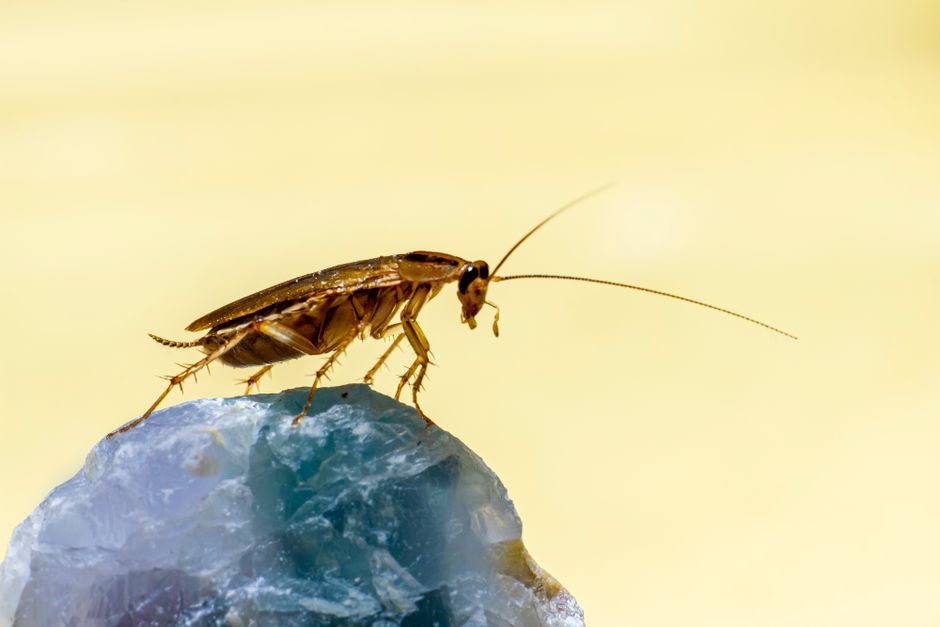
Many times, residents spot only American cockroaches (aka “palmetto bugs”) which, while large and intimidating, tend to live outdoors or in moist areas. The smaller German cockroach is the one most likely responsible for heavy indoor infestations and high Bla g allergen levels inside homes due to their close association with human activity and food sources.
Don’t call every roach a “palmetto bug”!
As a licensed pest control operator, I’m always quick to correct the blanket use of “palmetto bug” when someone spots any roach. The American cockroach is indeed a palmetto bug, but German cockroaches are a very different species, and they drive much more intense allergen issues indoors.
Florida’s Year-Round Humidity and Outdoor Pressure
Florida’s climate—with high humidity nearly year-round—creates an ideal environment not just for roaches but also for allergen persistence. Moisture makes it easier for cockroach populations to thrive indoors, and allergen proteins can become airborne or spread throughout the home.
Additionally, high outdoor roach populations put constant pressure on residents’ homes. Cracks, vents, and plumbing openings allow both American and German cockroaches to migrate indoors, expanding infestations and allergen contamination.
Effective Cleaning Tools: HEPA Filter Vacuuming and Wet-Wiping
Reducing cockroach allergen dust requires a targeted cleaning approach. Here’s where professional-grade tools come into play:
HEPA Filter Vacuuming
- HEPA (High-Efficiency Particulate Air) filter vacuums trap incredibly small particles, including cockroach allergens, that normal vacuums would recirculate into the air.
- Regular HEPA vacuuming of carpets, upholstery, and floors reduces allergen dust loads effectively, removing proteins before they cause further sensitization.
- Always vacuum under and behind furniture and appliances — a spot most people forget but where dust accumulates heavily.
Wet-Wiping Instead of Dry-Dusting
Dry dusting simply spreads settled allergen dust back into the air, often increasing occupant exposure. Wet-wiping surfaces using damp cloths or microfiber towels captures dust particles instead of scattering them.
Make sure to clean:
- All horizontal surfaces
- Kitchen counters and cabinet faces
- Under and around refrigerators, stoves, and other appliances
- Windowsills, baseboards, and doorframes
And yep, I always tell folks: pull the fridge out before you buy another spray or bug bomb — which don’t work well and just make me grumpy!
Putting It All Together: Reducing Your Dust Allergen Level Safely
- Identify infestations: Know which roach species you’re dealing with. German cockroaches require more aggressive control measures than American cockroaches.
- Control moisture: Repair leaks, use dehumidifiers, and improve ventilation to make your home less hospitable to roaches.
- Exclusion: Seal cracks and gaps in walls, doors, and windows to reduce indoor roach entry.
- Targeted pest control: Use gel baits, traps, and professional treatments focused on German cockroach habits.
- Clean properly: Use HEPA vacuuming regularly and prioritize wet-wiping over dry dusting to minimize allergen redisbursement.
- Maintain: Cockroach allergen levels can bounce back quickly. Regular cleaning and monitoring are key.
Why Bug Bombs Are Not the Answer
As much as social media and some DIY sites push foggers (bug bombs), they almost never reach the hidden cockroach harborages or reduce allergen dust effectively. Plus, the chemicals can aggravate asthma and allergy sufferers in the short term. So, with all due respect, I hate bug bombs, and I say that out loud every time I visit a client's home to manage expectations.
Summary
In our Florida homes, especially along the northeast coast, cockroach allergen levels reaching or exceeding 2 units per gram of dust signal an important health concern for allergy and asthma sufferers. German cockroach allergens (Bla g) are typically the main culprit indoors, while American cockroaches contribute outside and in crawlspaces.
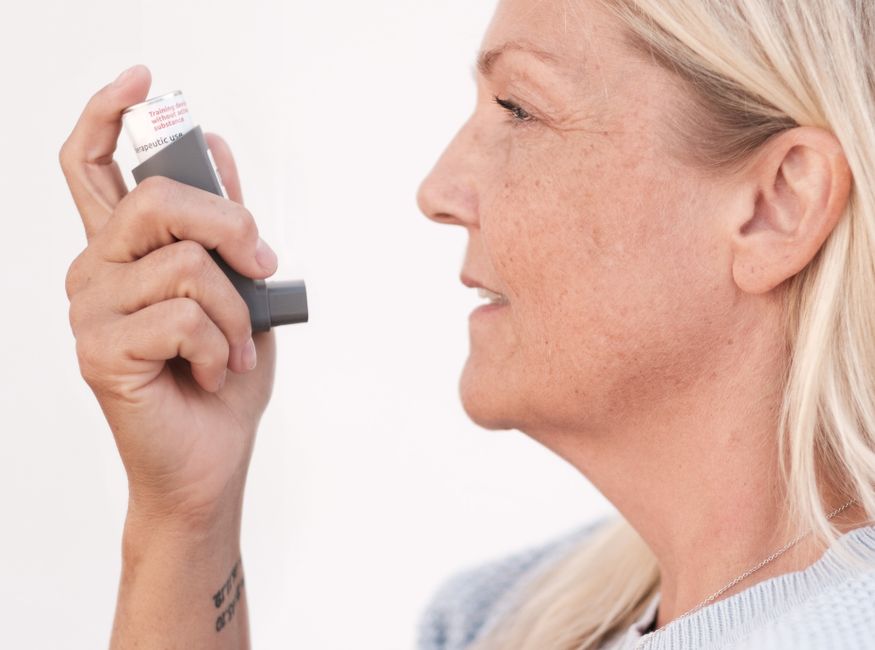
Effective reduction of these allergens requires a multi-pronged approach that includes professional pest control, moisture and entry point management, and importantly, proper cleaning using HEPA filter vacuuming and wet-wiping. Remember not to fall for the “bug bomb” quick fix and always pull out your fridge before spraying or dusting — this pet peeve saves you money and improves success.
Reducing cockroach allergen dust below the 2 units per gram threshold can improve indoor air quality, minimize sensitization risk, and help keep asthma under control in your home. It’s not an overnight fix, but with persistence and the right tools, you can reclaim your living space from these persistent pests.