What is the difference between pain management and chasing zero pain?
If you’ve spent any time in Scottish lower-league football changing rooms or rehab bays, you’ll know how embedded the culture of “playing through pain” is. Coaches, teammates, and even players themselves often treat pain as something to battle through or hide rather than understand and manage. But when it comes to chronic pain management, especially knee and joint issues that crop up after years of pounding on the pitch, chasing zero pain isn’t just unrealistic — it can be harmful.
This post will cut through the fog, explaining the key differences between managing pain so you can function and thrive versus chasing the impossible goal of living completely pain-free. I’ll also reference trusted guidance on this topic, including from the UK Anti-Doping (UKAD) website, and touch on emerging pathways like private clinics offering medical cannabis, which some players ask about these days.
Football culture and the stigma around reporting pain
First, a bit of context from the boots on the ground. For eleven years in lower-league Scottish football, I’ve seen players instinctively hide pain — they skip reporting it, fearing they’ll be benched, judged weak, or seen as not “macho” enough. It’s an outdated but stubborn mindset:
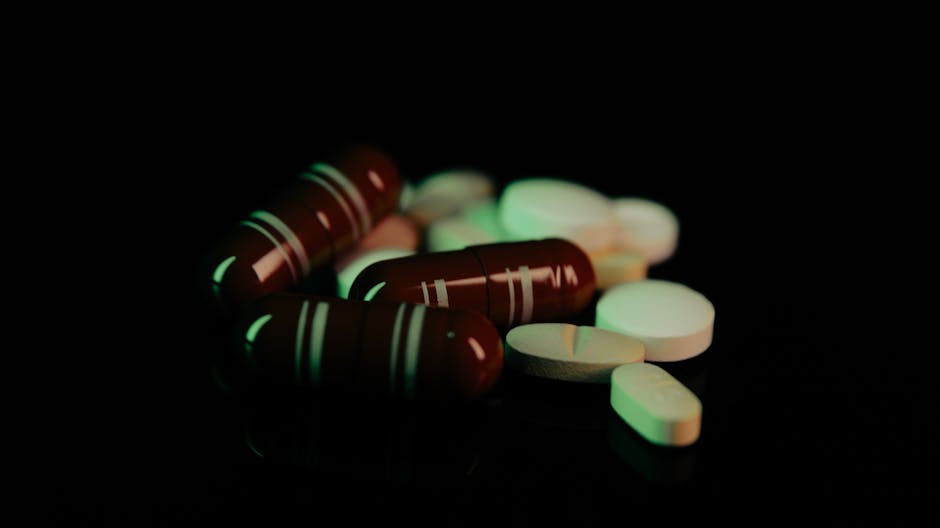
- "If you’re not playing, you’re not helping the team."
- "Pain is just part of football. You gotta smash through it."
- "Reporting pain gives an opponent or coach an advantage over you."
Sadly, this stigma feeds a cycle where players end up with poorly managed injuries turning into long-term problems — osteoarthritis, persistent pain states, and sometimes central sensitisation (more on that shortly). Instead of addressing pain as a signal asking for attention, it’s seen as a weakness to be stamped down.
Why chasing zero pain is a trap — long-term outcomes of ignoring the warning signs
Let’s be straight: no athlete wants pain. But chasing zero pain can lead to poor decisions, including overly relying on analgesics, avoiding movement, or seeking quick “fixes” that don’t work long-term.
If a player ignores the underlying mechanical issues (like imperfect healing after injury or excessive cumulative loading), or tries to suppress pain symptoms without rehabilitation, this can accelerate joint wear and increase the risk of osteoarthritis (OA) down the line.
Osteoarthritis in footballers: Years of high-impact loading, twisting, and sometimes untreated injury contributes to cartilage breakdown in joints—especially knees and ankles. OA isn’t just “wear and tear”; it’s influenced by how injuries heal, the loads joints endure, and how well you rehab.
Persistent pain and central sensitisation: Some players develop pain that doesn’t match the tissue damage anymore — this is partly because of changes in the nervous system called central sensitisation. Basically, the brain and spinal cord start amplifying pain signals. This makes chasing zero pain a false goal, since the pain experience becomes out of proportion to any physical harm.
Core mechanisms behind chronic joint pain
Mechanism What it means in everyday terms How it affects pain/function Imperfect healing Injuries sometimes don’t heal 100%, leaving weak spots or scar tissue These spots can be prone to re-injury or cause altered movement patterns Cumulative loading Continuous stress from training, matches, or poor technique builds up over time Leads to joint wear, inflammation, and increases pain risk Central sensitisation The nervous system becomes more sensitive, amplifying pain signals Pain persists or worsens even if joints are healing; harder to treatThe difference between pain management and chasing zero pain
So, how do these realities inform treatment? It comes down to goals and mindset:
- Chasing zero pain focuses on eliminating every twinge and ache, often seeking instant relief or cures. This can lead to stopping activities, chasing medications, or pursuing risky interventions that promise “no pain.”
- Chronic pain managementfunction-based goals — walking, running, playing football at a level that feels good enough without constant flare-ups.
Managing chronic pain doesn’t mean settling for misery or giving up on the sport you love. It means accepting that some discomfort is part of the journey but using strategies to stay active, strong, and in control of your body.
Why “just rest it” rarely works
One pet peeve of mine: the vague advice to simply “rest” and wait for pain to go away. I always ask, “What changed in the last 6 ukad prohibited list weeks?” because often pain worsens with inactivity due to muscle weakening and joint stiffness.
Instead, modern pain management encourages graded activity — gradually increasing movement and strengthening to rebuild resilience and improve how joints handle load.
The active rehab approach: graded exercise and strengthening
Active rehabilitation puts you in the driver’s seat. Here’s the rough roadmap:
- Assessment: Understand your current pain, function, and history. Rule out serious damage.
- Set realistic goals: What activities matter most? Running, walking, working out, or match play?
- Graded exercise: Start small and gradually increase intensity to avoid flare-ups.
- Strengthening: Focus on muscles supporting the joint — quadriceps, hamstrings, glutes for knees, for example.
- Load management: Learn to balance training and rest to avoid cumulative overload.
- Education & mindset: Understanding pain and avoiding fear of movement reduces central sensitisation effects.
Emerging treatments and UKAD guidance
Some players ask about newer options like medical cannabis for pain relief. While private clinics may offer pathways to access this, it’s essential to understand the UK Anti-Doping guidance first.
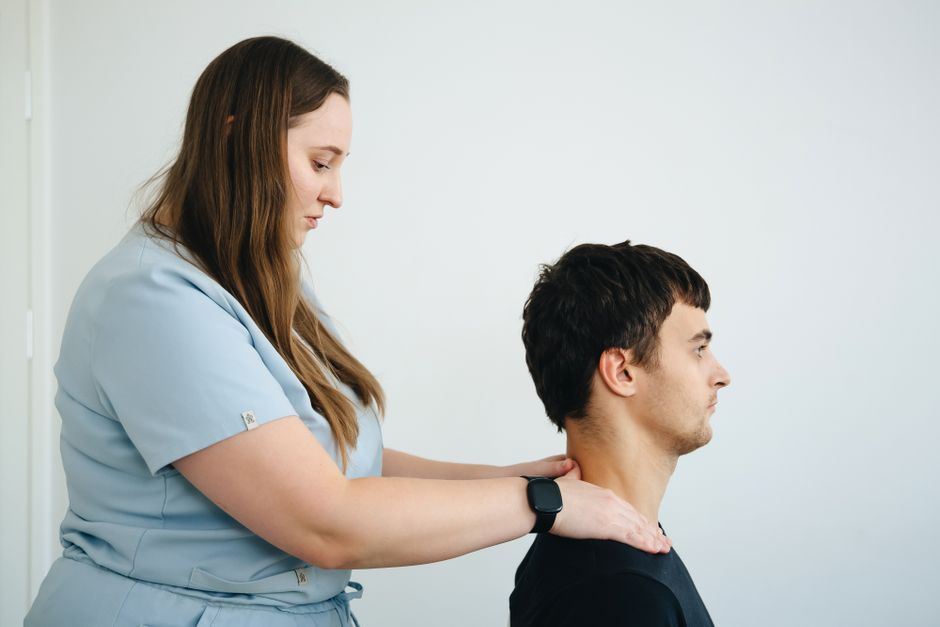
Medical cannabis is still being researched in sports settings. UKAD advises strict compliance with anti-doping rules — some cannabinoids are prohibited in-competition. So, any player considering this must go through proper channels and keep their medical team informed.
More broadly, no single medication or supplement is a silver bullet. Sustained improvements come from combining medical treatments with active rehab and realistic goal setting.
Summary: What you should take away
- Chronic pain management focuses on improving function and quality of life, not erasing every ache.
- Ignoring or hiding pain leads to long-term issues like osteoarthritis and persistent pain syndromes.
- Key mechanisms include imperfect healing, cumulative joint loading, and central sensitisation — all influencing pain and recovery.
- Active rehab with graded exercise and strengthening is the best route to balance pain and performance.
- Emerging treatments, including medical cannabis, must be approached cautiously and within anti-doping rules.
- Challenge vague advice like “just rest it” — instead look for simple, sustainable routines that match your goals.
Final word from the physio assistant and long-time fan
Let me tell you about a situation I encountered thought they could save money but ended up paying more.. Being on the sidelines, I’ve seen the heartbreak of players who “played through pain” only to face years of knee troubles after hanging up their boots. It’s not about being soft or tough — it’s about being smart, listening to your body, and setting goals that keep the game alive in your life for decades to come.
If you’re struggling with persistent pain and unsure where to start, speak to a trusted physio or medical team who understands the culture and can help you find realistic, function-driven strategies. And remember, managing pain is a journey — not a race to zero.