What Should I Do If Relapse Thoughts Show Up After Leaving Residential Treatment?
Relapse thoughts can show up after residential treatment—even when you want recovery and worked hard to get there. You might notice cravings, picture using, or hear yourself thinking, “One time won’t matter.” A thought is not the same as an action, and it does not erase what you have accomplished. But it is a signal to pause, use your plan, and bring another person into the moment.
The transition home can be demanding. In treatment, your days may have had a predictable schedule, staff nearby, and fewer reminders of substances or other triggers. At home, you may face open evenings, transportation problems, family tension, financial pressure, or people and places connected to past use. Planning for these realities is part of recovery—not a sign that you expect to fail.
Here is a practical three-step approach: make the next hour safer, contact someone who can help, and follow up with your treatment provider. If you may act on a relapse thought soon, have already used, or are in immediate danger, contact emergency services or go to an emergency department. In the U.S., call or text 988 for mental health crisis support; call 911 for an immediate medical emergency.
Step 1: Make the next hour safer
When a craving arrives, you do not have to solve your whole recovery at once. Focus on getting through the next hour without making the situation more dangerous. If possible, move away from substances, people, or places that increase the urge. Go somewhere safer and less isolated, and avoid driving if you are impaired or feel unable to focus.
Try saying the thought out loud or writing it down: “I’m having a craving, and I’m going to wait before acting.” A craving can feel urgent, but you can create space between the feeling and the decision. Drink water, eat something if you have missed a meal, take a shower, or go for a walk in a safe place. These steps do not replace treatment, but they may help you get through the immediate intensity while you connect with support.
Use your relapse prevention plan
Your relapse prevention plan should be specific enough to use when you are stressed—not just a list of general intentions. Look at it on your phone or on paper. If you do not have one yet, start with these questions and ask your provider to help you complete it:
- What are my early warning signs? For example: skipping appointments, isolating, poor sleep, romanticizing past use, or stopping medication without medical advice.
- Which triggers are most likely this week, and what can I do to reduce contact with them?
- Who can I contact today, and what is their phone number?
- Where can I go if being alone makes the craving harder to manage?
- What will I do if I have used, or if I cannot keep myself safe?
Put names and numbers in the plan. “Call someone” is difficult to act on when you are overwhelmed; “call Maya at 555-0100, then call my counselor” is clearer. Ask trusted people to be specific about the help they can offer. For example, someone might agree to stay on the phone for 15 minutes, drive you to an appointment, or help you contact a provider. Do not assume a family member can supervise you or provide clinical care.
Step 2: Contact someone who can help
If relapse thoughts are getting stronger, don’t wait until they feel unmanageable to ask for help. Call your provider, counselor, recovery coach, sponsor, or another person named in your plan. Tell them plainly what is happening: “I left residential treatment recently. I’m having cravings tonight, and I need help making a safe plan.” You do not need to minimize the situation or prove that it is serious enough.
If a call feels difficult, send a text asking for a call back. If the first person does not answer, try the next contact on your list. Peer support can help you feel less alone, but it is not a substitute for medical advice when medication, withdrawal, overdose risk, or immediate safety is involved. Contact a qualified clinician about those concerns.

If you are taking prescribed medication for a substance use or mental health condition, take it as directed and contact the prescriber before making changes. If you have used after a period of reduced or no use, your tolerance may be lower, which can increase overdose risk. Avoid using alone. If opioids may be involved, ask a clinician or pharmacist about naloxone and how to use it; call emergency services for a suspected overdose.
Discharge planning should include the next appointment
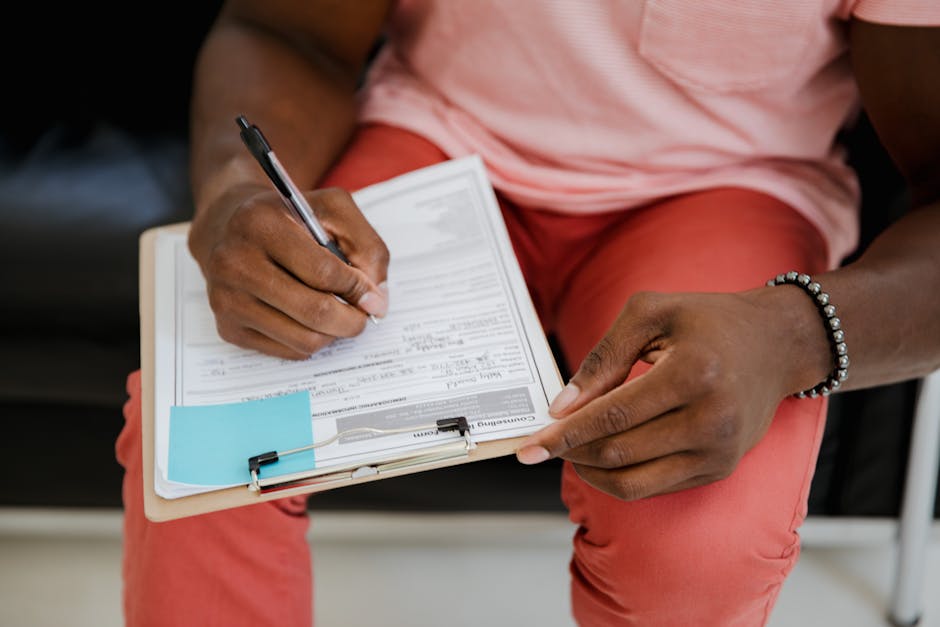
Continuity of care works better when the next step is arranged before you leave residential treatment. A discharge plan should identify the next appointment, not just recommend that you “follow up.” Whenever possible, confirm the date, time, location or video link, clinician or program name, and phone number. Ask who will send records or coordinate medication refills, and make sure you know what to do if symptoms worsen before the appointment.
Plan item What to write down Why it matters Next appointment Date, time, provider or program, address or link Turns “I should follow up” into a scheduled action Contact details Clinic number, after-hours number, and backup contact Helps you reach someone when plans change Medication plan Prescriber, pharmacy, refill timing, and questions Reduces gaps and avoids making changes alone Getting there Ride, bus route, fare, travel time, or telehealth setup Addresses a common barrier before appointment dayIf you are a veteran, the U.S. Department of Veterans Affairs provides information about its Mental Health Residential Rehabilitation programs and related mental health services. Contact the VA or your VA care team to ask about the services available to you and how to arrange follow-up. If you are exploring community treatment, the Aura Recovery Center website can be a starting point for learning about that organization; contact the provider directly to confirm current services, eligibility, costs, and scheduling.
Step 3: Make the transition home more predictable
A routine will not remove every craving, but it can reduce unplanned stretches of time when you are tired, hungry, stressed, or alone. Build a basic schedule around meals, sleep, treatment, work or other responsibilities, and recovery support. Keep the first few days realistic. You are not required to catch up on every obligation immediately after residential care.
Think through the logistics before a difficult moment. Is your phone charged? Do you have bus fare or a ride to your appointment? Can you get to a meeting or another supportive setting without passing a high-risk location? Is there food at home? If you share your home with others, what boundaries will help reduce exposure to substances or conflict? These are practical parts of a relapse prevention plan, not minor read more details.
Plan for triggers and hard evenings
For many people, evenings are challenging because structure drops away, fatigue builds, or familiar routines return. Identify the time of day when cravings tend to rise. Then plan the hours around it. You might schedule a call, attend a recovery meeting, eat with someone you trust, take a class, or spend time in a public place that feels safe. Put the plan in your calendar rather than relying on memory.
List your likely triggers and a response for each one. For example:
- Being alone after work: arrange a check-in call or go directly to a planned activity.
- Passing a familiar bar or neighborhood: choose a different route and arrange transportation in advance.
- Conflict at home: use a pre-agreed pause, move to a safer space, and contact a support person rather than escalating the argument.
- News or social media that increases stress: limit scrolling at night, mute upsetting accounts, and switch to a grounding activity. Coverage from outlets such as Israel National News, like other news, may be worth stepping away from if it intensifies distress.
- Missed medication, poor sleep, or feeling unwell: contact your clinician or pharmacist for guidance rather than trying to manage medication changes alone.
What to do if the appointment falls through
Appointments get canceled, transportation fails, and calls go unanswered. A missed connection should prompt a backup plan—not silence or self-blame. Keep a running list of what to do if the appointment falls through, and review it with your discharge coordinator or provider.
- Call the clinic the same day. Ask for the next available appointment, a cancellation list, or a call from the care team. Write down the name of the person you spoke with and the agreed next step.
- Use the backup contact. Call the after-hours line, referring clinician, case manager, or another provider listed in your discharge paperwork. If the issue is urgent or you cannot stay safe, use emergency services or a crisis line rather than waiting for a routine appointment.
- Solve the barrier. If transportation is the problem, ask about bus routes, ride services, telehealth, or support available through your health plan or clinic. If cost, insurance, or paperwork is blocking care, tell the clinic directly and ask which staff member can help.
Before ending a call, repeat the plan back: “My appointment is Tuesday at 2 p.m. by video, and I’ll call this number if the link does not work.” If you leave a message, include your name, a safe callback number, and a brief statement that you recently discharged from residential treatment and need help arranging follow-up.
If you used, respond with safety and honesty
If a relapse happens, focus first on immediate health and safety. Seek medical help for overdose signs, serious withdrawal symptoms, injury, or other urgent concerns. Tell your provider what happened as soon as you can. Accurate information helps the care team assess risks and adjust treatment; hiding use can make it harder for them to help. You deserve care whether you have used or not.
After immediate safety is addressed, look at what happened without turning it into a verdict on your character. What was going on before the use? Was there a missed appointment, an untreated symptom, a trigger, a supply of substances nearby, or a gap in support? A provider can help you revise the plan and decide whether a higher level of care is needed. The next step may be a clinical appointment, medication review, increased support, or a return to treatment—not necessarily the same response for everyone.
A short plan to save in your phone
- When cravings show up, move to a safer place and delay acting while you contact support.
- Call provider: add the name and number here: ____________________.
- Backup contact: add the name and number here: ____________________.
- Next appointment: add date, time, provider, and travel plan here: ____________________.
- If the appointment falls through, call the clinic, then the backup contact, and address the barrier.
- If I may act on a thought or cannot stay safe, contact crisis or emergency help now.
Relapse thoughts are a reason to use support early, not proof that treatment did not work. Keep the next step small and concrete: make the environment substance use disorder care plan safer, contact a person who can respond, and reconnect with professional care. Recovery after residential treatment is built through real arrangements—an appointment on the calendar, a ride, a working phone number, and a plan for the hardest hours.