Why Do I Feel Moody When I Don’t Sleep?
Ever notice how missing out on shut-eye makes you more irritable, snappy, or just plain blue? If you’ve wondered why do I feel moody when I don’t sleep, you’re not alone. Sleep is way more than just rest — it’s a cornerstone of emotional well-being. And for women, this connection between sleep and mood can be especially complex due to hormonal shifts and life-stage factors.
In this post, we’ll unpack:
- How sleep acts as the foundation for overall health and emotional balance
- Women-specific sleep disruptors across different life stages
- The role hormones play in sleep quality and mood changes
- The impact of mental load and bedtime anxiety on getting restful sleep
- How to use tools like the Women In Balance sleep calculator to better understand your optimal sleep
Let’s dig in — because feeling moody after a poor night’s sleep isn’t just “in your head,” it’s rooted deeply in your body’s biology.
Sleep: The Cornerstone of Emotional Well-Being
First, it’s key to understand that sleep isn’t just downtime; it’s your body’s and brain’s nightly reboot. Lack of adequate sleep — often called sleep deprivation — disrupts everything from hormones to brain chemistry.
How Sleep Affects Mood
Quality sleep helps regulate neurotransmitters like serotonin and dopamine — the chemicals that influence happiness, mood stability, and motivation. When sleep is inadequate, these systems falter:

- Heightened emotional reactivity: Sleep deprivation lowers your brain’s ability to manage emotional responses, making you more prone to outbursts or mood swings.
- Reduced coping skills: Tired brains struggle to deal effectively with stressors, amplifying feelings of frustration or anxiety.
- Impaired decision-making: Fatigue clouds judgment, so minor irritations feel more overwhelming.
These factors combine to create noticeable mood changes after even one poor night of sleep.
Women-Specific Sleep Disruptors Across Life Stages
Women often face unique sleep challenges that can worsen mood symptoms. (my cat just knocked over my water). These challenges may evolve with age, hormones, and life circumstances.
Menstrual Cycle
Around menstruation, fluctuations in estrogen and progesterone can impact sleep quality by:
- Increasing body temperature
- Causing physical discomfort or cramps
- Triggering insomnia or increased nighttime awakenings
This can lead to more intense mood swings linked to both hormone shifts and sleep loss.
Pregnancy
During pregnancy, increased hormones and physical changes like frequent bathroom trips, back pain, or restless legs syndrome can fragment sleep. Mood changes during pregnancy are common and may be aggravated by poor sleep.
Perimenopause and Menopause
Hormone levels become more erratic during perimenopause (the transition phase before menopause), often causing hot flashes, night sweats, and insomnia — all of which chip away at sleep quality. This hormonal turbulence combined with sleep deprivation frequently results in increased irritability and mood disorders.
Additional Life Factors
- Caregiver stress: Many women juggle multiple roles, increasing mental load that affects the ability to wind down at night.
- Mental health history: Hormonal changes layered on anxiety or depression can magnify how mood responds to poor sleep.
Recognizing how these phases impact your sleep — and mood — can empower you to target strategies that support your unique needs.
Hormones and Sleep Quality: The Biochemical Mood Link
Hormones aren’t just mood influencers—they directly affect sleep architecture and quality.
Estrogen and Progesterone
- Estrogen: Helps regulate serotonin and promotes overall restful sleep, but fluctuates through menstrual cycles and declines in menopause.
- Progesterone: Has a calming, sleep-inducing effect similar to mild sedation, but its levels dip and peak depending on the cycle.
When these hormones are out of balance, sleep quality suffers. With less deep sleep, emotional regulation areas in the brain don’t recover fully — leading to mood changes.
Cortisol
Cortisol, the stress hormone, follows a natural daily rhythm but can become elevated by chronic stress or anxiety. High nighttime cortisol interferes with falling and staying asleep, further feeding into a cycle of fatigue and irritability.
Why Mental Load and Bedtime Anxiety Sabotage Sleep
For many women, the mental load — the invisible work of managing womeninbalance.org family, home, and work responsibilities — weighs heavily into bedtime.
The “Brain-Wide Awake” Problem
When your mind won’t switch off, you face bedtime anxiety. This might be:
- Worrying about tomorrow’s to-do list
- Replaying conversations or conflicts
- Feeling overwhelmed by responsibilities
This anxiety triggers a physical stress response, raising cortisol and adrenaline that block sleep onset and reduce sleep depth. The result? Less restful nights and more mood swings during the day.
Simple Wind-Down Strategies
Ten minutes of a calming pre-sleep routine can make a big difference. Here’s what I recommend:
- Write a brain dump list in a notebook beside your bed — dump worries or tasks so they’re “parked” until morning
- Practice gentle breathing or progressive muscle relaxation
- Dim the lights and avoid screens (blue light reduces melatonin)
- Read a calming book or listen to soft music
This “doable” wind-down helps calm your nervous system and ease anxiety, paving the way for better sleep and more stable mood.
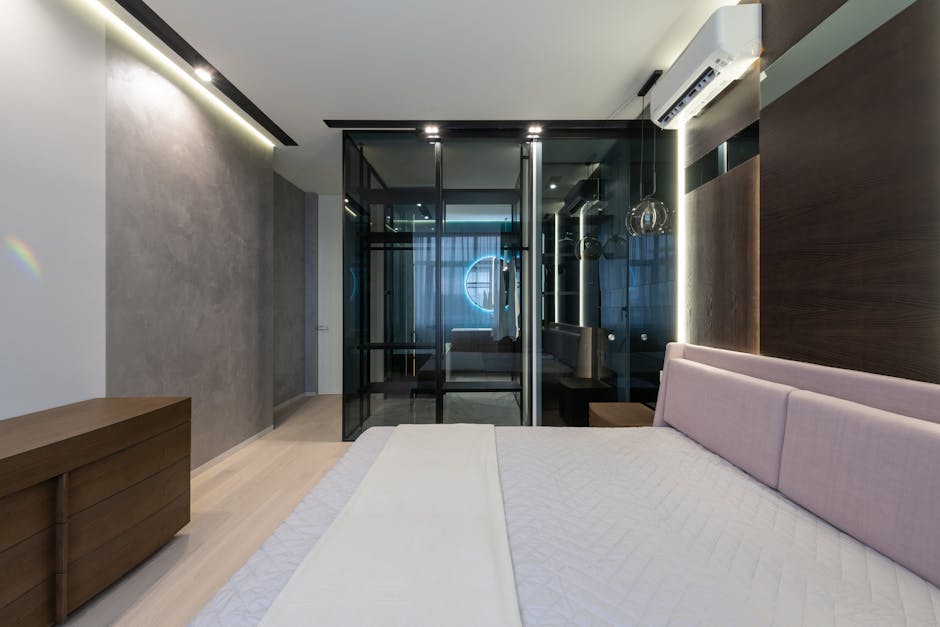
Using the Women In Balance Sleep Calculator to Find Your Optimal Sleep
Not all sleep needs are created equal — especially for women. The Women In Balance Sleep Calculator is a free tool that personalizes your ideal sleep window based on your unique life stages and needs.
Feature Benefit Considers menstrual cycle, menopausal status Personalizes recommendations for hormonal changes affecting sleep Recommends best bedtime and wake time windows Helps optimize sleep timing for mood stability Includes tips for improving sleep quality Provides actionable steps tailored to women’s hormonal healthRunning through this calculator can give you clarity on your sleep needs — a key step toward managing mood changes linked to sleep deprivation.
Final Thoughts: Prioritize Sleep to Support Mood and Emotional Health
Feeling moody after a poor night’s sleep is a real, biological response — not a character flaw. Sleep deprivation disturbs the delicate hormone balance and brain chemistry critical for emotional regulation.
For women, this interplay between hormones, mental load, and sleep often requires customized attention throughout life’s phases. Using tools like the Women In Balance Sleep Calculator and adopting simple wind-down habits can help you reclaim better sleep and, with it, a steadier mood.
Start with just 10 minutes tonight: put your worries in writing, turn off screens, and breathe deeply. Small actions build a solid foundation for sleep — and smoother days ahead.