Why Do Professionals Bait Inside Voids Instead of Fogging the Whole Room?
When homeowners in Northeast Florida face a roach infestation, the instinctive reaction often involves blasting the entire room with sprays or foggers—commonly called "bug bombs." But as a licensed pest control operator with a decade of experience serving St. Augustine to Palm Coast, I always recommend a more strategic, safer, and more effective approach: targeted baiting inside voids combined with thorough cleaning using HEPA filter vacuuming and wet-wiping rather than broad broadcast fogging or dry dusting. If you want real results without unnecessary pesticide exposure, keep reading to understand why.
Understanding Roach Hiding Places: The Key to Targeted Treatment
Cockroaches aren’t just creepy; they’re also expert hiders. They love dark, tight spaces often out of sight but close to food and moisture sources. Common roach hiding places include:
- Gaps and cracks in walls and baseboards
- Inside voids behind electrical outlets and switch plates
- Under and behind appliances like refrigerators and stoves
- Inside cabinets, cupboards, and wall voids
- Drain pipes and plumbing voids
These hidden refuges provide shelter, moisture, and breeding grounds where cockroaches can multiply, continuing their infestation unbeknownst to the untrained eye.
American Cockroach vs German Cockroach: Different Pests, Different Habits
Characteristic American Cockroach (Palmetto Bug) German Cockroach Size Large (1.5 to 2 inches) Small (about 0.5 to 0.6 inch) Habitat Prefers warm, moist outdoor areas - can enter homes Strictly indoor, prefers kitchens and bathrooms Behavior More occasional household invader; can fly Highly prolific indoor breeder, hard to eradicate Impact on Health Allergen producer, but less common indoors Major source of indoor allergensWhile the large American cockroach (sometimes mistakenly called "palmetto bug") Click for source is a common sight here, the German cockroach is the real indoor pest problem. It breeds rapidly, hides in tiny crevices, and produces persistent allergen dust that aggravates asthma and allergies.
Cockroach Allergens: The Hidden Threat to Health
One of the most critical reasons professionals avoid fogging entire rooms and instead target roaches inside voids is to reduce exposure to cockroach allergen proteins such as Bla g 1 and Per a 1, derived from German and American cockroaches respectively.
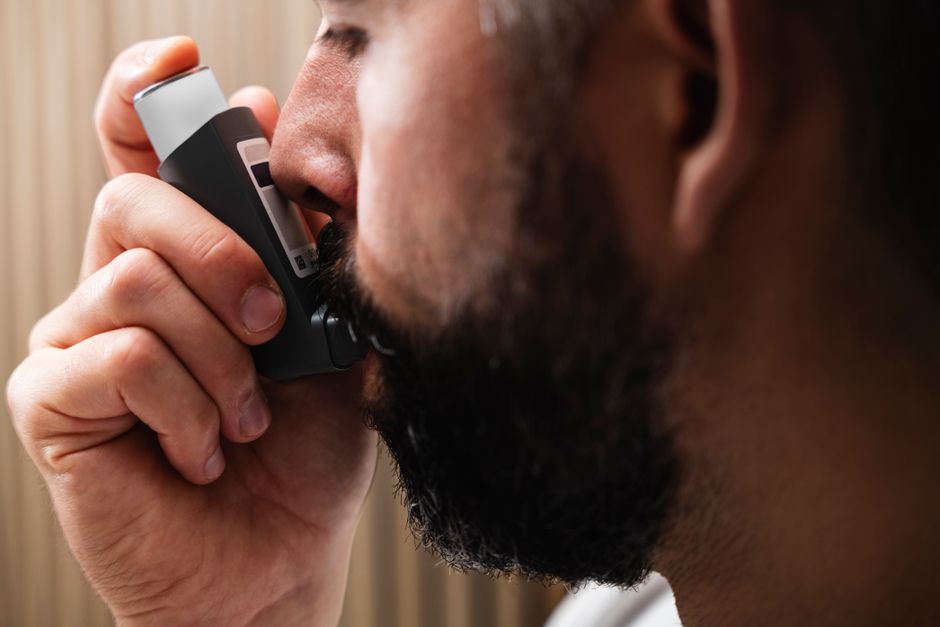
These proteins are found in roach feces, saliva, shed skins, and body parts. As these particles accumulate in house dust, they become a potent trigger for asthma, especially in children. Studies show that inhaling even tiny amounts of these allergen proteins worsens asthma symptoms and can lead to increased medication use and hospital visits.
Spraying the whole room releases dust and allergens into the air, making symptoms worse instead of better. In contrast, integrated pest management (IPM) uses a targeted approach focusing on voids where allergen reservoirs accumulate, thereby reducing allergen levels more effectively and safely.
Why Professionals Avoid Pesticide Broadcast and Bug Bombs
“Bug bombs” or foggers that broadcast pesticide throughout the room may seem convenient, but they come with significant downsides:
- Allergen Resuspension: The aerosol can stir up cockroach allergen dust, worsening asthma and allergies.
- Missed Hiding Spots: Fogging rarely reaches deep voids, cracks, and other hiding places where roaches reproduce.
- Health Risks: Broad pesticide exposure can irritate skin, eyes, and respiratory tract, especially in children and pets.
- Resistance Development: Overuse and misuse can lead to pesticide resistance, making infestations harder to control.
In fact, as someone who sees plenty of homes lately, I always tell people to pull the fridge out before buying another spray—because if you can’t get to the basic hiding spots, no spray will solve the problem.
Integrated Pest Management (IPM): The Gold Standard Approach
IPM emphasizes inspection, monitoring, and targeted treatments that minimize pesticide use and maximize effectiveness. Key components include:
- Inspection & Identification: Finding where roaches live and which species are present.
- Sanitation & Exclusion: Removing food and water sources, sealing entry points.
- Mechanical Controls: Vacuuming with HEPA filters to physically remove allergens, debris, and roaches.
- Targeted Pesticide Application: Baiting inside voids rather than broadcast treatments.
- Follow-up Monitoring: Regular checks to ensure elimination and prevent reinfestation.
HEPA Filter Vacuuming & Wet-Wiping: Why They Matter
Vacuuming with a HEPA (High Efficiency Particulate Air) filter how to test for bla g removes fine cockroach allergen dust without releasing it back into the air. This is critical because allergen proteins are tiny and easily airborne. A standard vacuum without HEPA often recirculates those particles.
Likewise, professional cleaning using wet-wiping rather than dry dusting captures and removes allergens effectively. Dry dusting can just spread allergen dust around, whereas wet methods trap and remove it from surfaces including hidden voids and cracks.
Both these cleaning strategies are vital before and after treatment to reduce allergens and improve indoor air quality and residents’ health.
Florida’s Year-Round Humidity and Pest Pressure
Northeast Florida’s tropical climate creates ideal conditions for cockroach survival: warm temperatures and high humidity all year round. Humidity strengths roaches’ reproductive abilities and encourages their activity indoors and outdoors.
Constant outdoor pressure means cockroaches frequently attempt to enter homes in search of food and refuge. This dynamic pest pressure further highlights why spot treatments inside voids combined with continuous IPM practices are far superior to spraying every inch of the room with foggers.

Summary: Why Targeted Baiting Inside Voids is Essential
Factor Targeted Baiting Inside Voids Broadcast Fogging (Bug Bomb) Effectiveness on Roach Hiding Places High, reaches concealed refuges Low, does not penetrate deeply Impact on Cockroach Allergens Reduces allergen reservoirs Stirs up allergens, worsening symptoms Pesticide Exposure Localized, minimizes health risks Widespread, irritates residents & pets Long-Term Control Supports resistance management Can accelerate resistance Environmental Safety Lower pesticide contamination High chemical residuePractical Tips for Homeowners
- Pull Out Appliances: Before any treatment, move refrigerators, stoves, and other appliances to access hidden roach hideouts.
- Regular HEPA Vacuuming: Invest in a HEPA-filter vacuum and do weekly cleaning to keep allergen dust levels down.
- Wet Wipe Surfaces: Replace dry dusting with wet cloths on baseboards, cabinets, and walls.
- Seal Cracks & Voids: Use caulk or appropriate fillers to block entry and harborage points.
- Hire Professionals: Experienced pest pros have access to quality baits and know how to apply them inside voids safely and effectively.
- Avoid Bug Bombs: They don't work well, and can make health problems worse.
Final Thought
As someone who has seen too many homes struggle with recurring roach issues, I can’t stress enough the importance of avoiding shame-based pest talk or quick-fix "bomb" solutions. Real pest control is about understanding the pest, their hiding spots, and the environment—and addressing them carefully with an IPM approach that protects your family’s health and your home.
So, next time you think of using that fogger, remember: pull the fridge out first, vacuum with HEPA filters, wet-wipe your surfaces, and consider professional baiting inside voids. This approach not only controls the roach problem effectively but also keeps cockroach allergens—and asthma symptoms—under control year-round in Florida’s humid climate.
If you’re struggling with roaches or want a thorough inspection and customized treatment plan, don’t hesitate to contact a licensed, experienced pest control operator in your area.